
Written by:

Last Published:
February 02, 2024
•

Whether you are an e-commerce brand, B2B company, or another type of business, your website is likely to be the first impression many potential customers get of your company. Therefore, it is essential that your website reflects the image of your brand and provides visitors with a positive and informative user experience.
A website redesign is one way to launch a new site to support a new marketing campaign, update an older site with the latest web standards, or give users a more seamless experience with site navigation. A redesign can also help you address pain points in your digital presence, such as confusing navigation or broken links.
We’ve put together this ultimate guide for getting started when redesigning your website.
Before you go any further with your redesign, you need to understand the state of your current website. You can’t improve what you don’t understand. This step may feel like a time suck, but it’s essential to be as thorough as possible when evaluating your current digital presence as thoroughly as possible. It will help you identify which issues your redesign should address.
Start by assessing your digital analytics. Analyzing your site’s traffic will give you a better understanding of your visitors and what they are trying to accomplish with their visit. You can also take advantage of Google’s free website health check to get a more in-depth report on your site’s health, broken links, and more.
It's also important to look at your website from a real user's perspective to see what they experience. You can accomplish it by conducting a UX audit.
A UX audit is an inspection or examination of a digital product's user experience. An outstanding audit will identify even the slightly less-than-perfect features of a product and discover potential issues that might slow and damage performance. This process can lead to higher customer satisfaction, engagement rate, and conversions.
At Imaginary Cloud, it is done at a growth stage when you will be able to unlock insights about where users are having trouble and what features are working or not. The three-step process of a UX Audit involves research, evaluation, and execution.
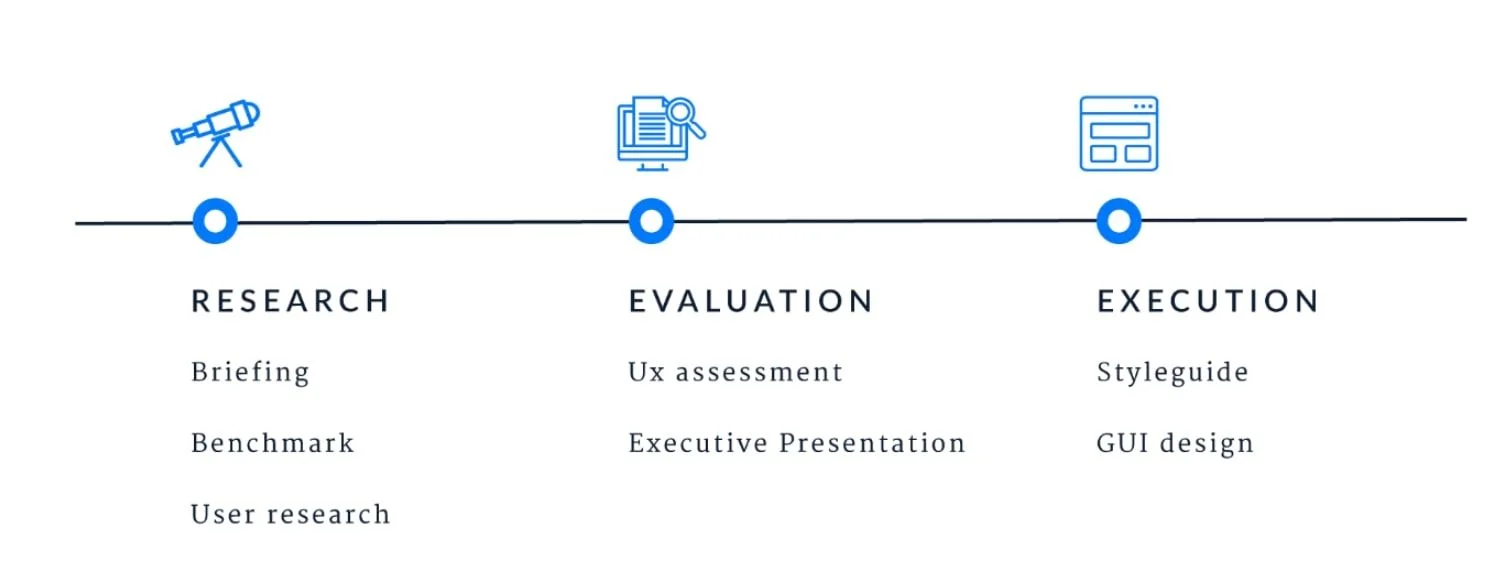
1. ResearchThis stage considers users, products, company goals, and KPIs. The purpose of analyzing user profiles and motivations is to understand the product concept, value proposition, usage, and user profiles of the product, feedback, and motivations. Design patterns and industrial technology study help existing players to leverage their expertise and practice to differentiate your product/design.
2. EvaluationThe product should help users achieve their goals, and a valuable and enjoyable product will boost business. UX heuristics evaluate how a product is usable and set requirements for the product.
UX Audit report measures "issue impact" and "recommendation effort." These scores in the UX Audit report don't indicate a specific proportion of impact on KPI goals. Still, they can help project planners decide how to best implement recommendations. The "Issue Score" uses these indicators to make cost-effective recommendations.
3. ExecutionDuring execution, we'll baseline the style guide to ensure visual interface elements are consistent and coherent. “Issue Score” will prioritize the collected recommendations to implement quick wins. Information-graphic audits are crucial for communicating ways to improve digital products.
These audits have several benefits: improving conversions, reducing redundancies, and saving time and money. They are beneficial because they are more simplified products, increase conversions, and provide a better user experience.
While a website redesign can often seem like a huge undertaking, it comes down to one question: does your website meet your business goals? If not, then it’s time to start planning a redesign. It’s especially true if you built your website with an older web development technology that may not scale well as your business grows.
While redesigning your site may seem like an expensive and time-consuming endeavor—mainly if you’re rebuilding from scratch—it will pay dividends down the line by helping you achieve your business goals. There are many reasons why you may want to launch a new website vs. redesign an existing one. Below are the most common reasons for a website redesign:
Once you’ve decided that your website could use a redesign, the next step is to plan for the redesign process. It means working with your internal stakeholders to determine your business goals for the redesign and what success looks like for your company. Once you’ve decided on your objectives, you will want to define them in as much detail as possible. This will help you stay on track during the website redesign process.
Ensure you keep your stakeholders involved throughout the process to meet expectations. Your website redesign will likely include many tasks, so creating a timeline for each task is crucial. This will help keep you on track and clearly understand when each part of the redesign process needs to be finished.
There are a few different types of website redesigns, including the following:
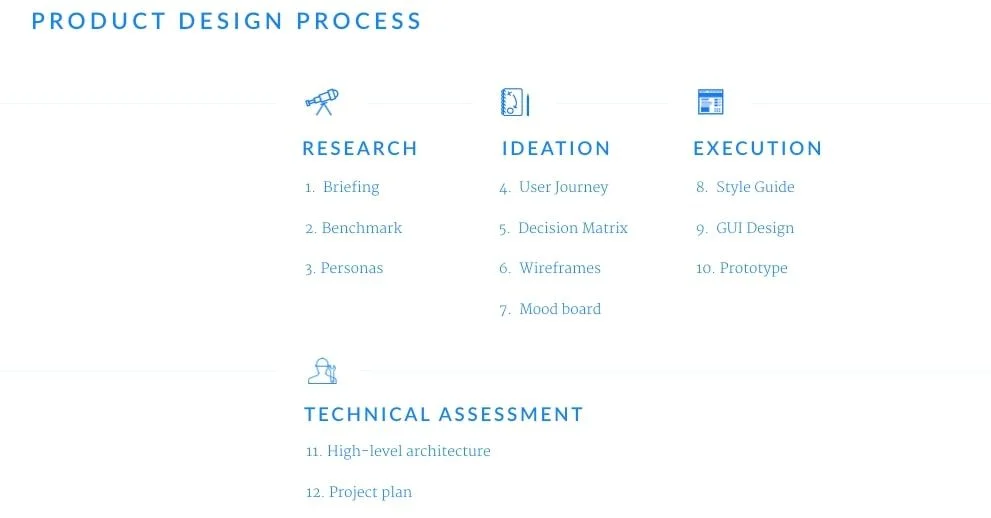
We introduce our Product Design Process (PDP) at this stage: a user-centred, multi-disciplinary design method built for digital products, moving through research, ideation, execution and technical assessment in twelve defined steps. Redesigning a live site works the same way as designing a new one, just with more existing constraints to research first.
For the full breakdown of each step and what you should have in hand by the end of it, see our guide to the Product Design Process.
Keep the following web development strategies in mind when planning your website redesign. These strategies will help you make the most of your website redesign and ensure that your site is ready to meet your business goals.
A website redesign can be challenging but essential to your business. Make sure you take the time to research the best construction strategies for your industry and adhere to best practices for digital marketing and website design. A website redesign will help you achieve your business goals and provide customers with a positive experience.
Get in touch with us if you need help developing a website. Using the web development service, you'll get the right tools and resources to guide you through the process. From simple website building to highly complex web applications, we've got you covered.

Alexandra Mendes is a Senior Growth Specialist at Imaginary Cloud with 3+ years of experience writing about software development, AI, and digital transformation. After completing a frontend development course, Alexandra picked up some hands-on coding skills and now works closely with technical teams. Passionate about how new technologies shape business and society, Alexandra enjoys turning complex topics into clear, helpful content for decision-makers.
People who read this post, also found these interesting:
















.webp)
.webp)


