
How Learninghubz increased 20% of active users after performing a UX Audit

About this project
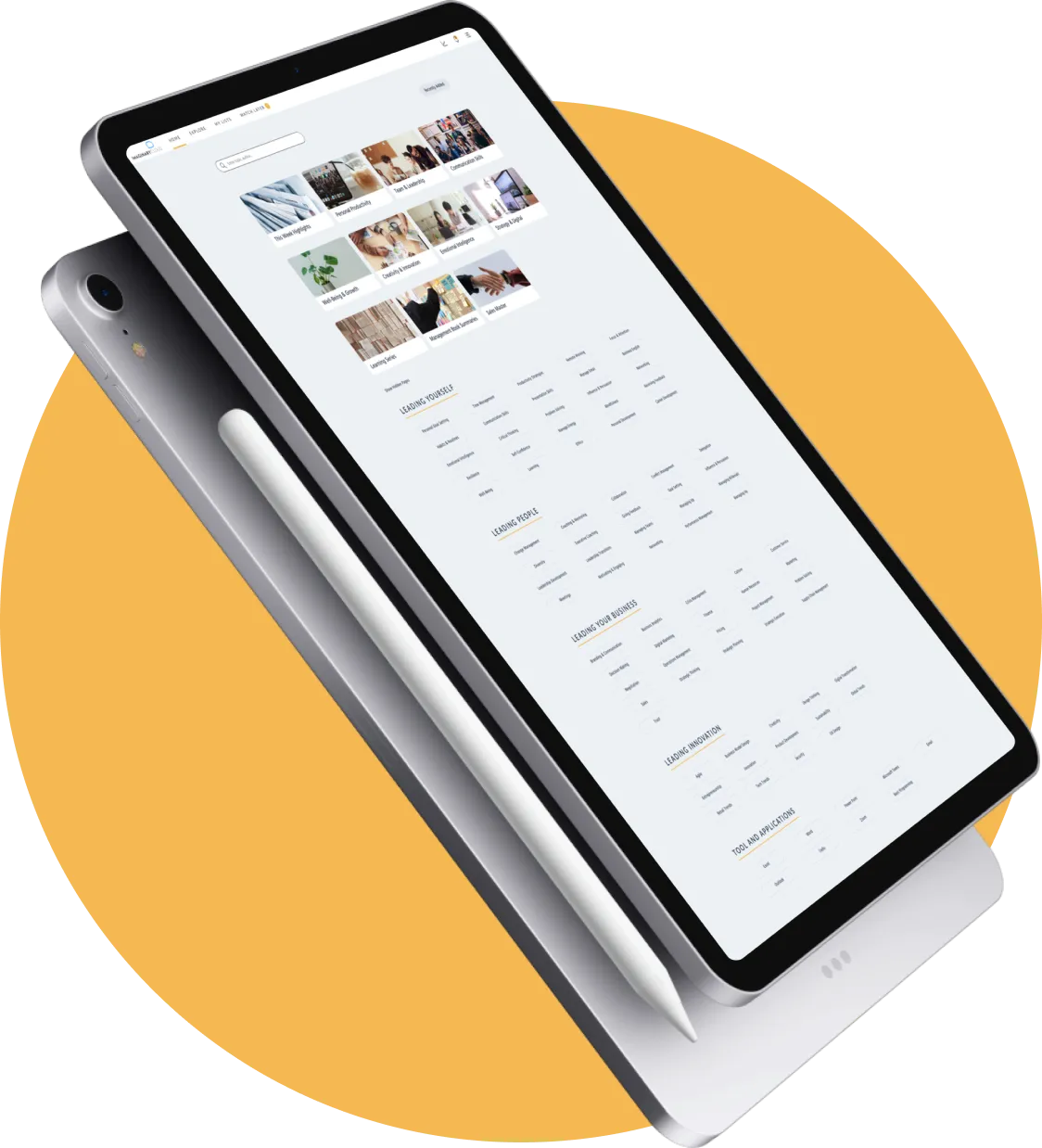
Learninghubz wanted to improve KPIs such as active users and videos watched, and to increase the average viewing time per user. We helped through our UX audit and a redesign of the platform's interface.
Result: Three months after launch, Learninghubz saw a 20% increase in active users and a 50% rise in mobile usage.
our INVOLVEMENT
Concept
Strategy
Design
Build
technologies
Angular
Typescript
Node.js
.Net
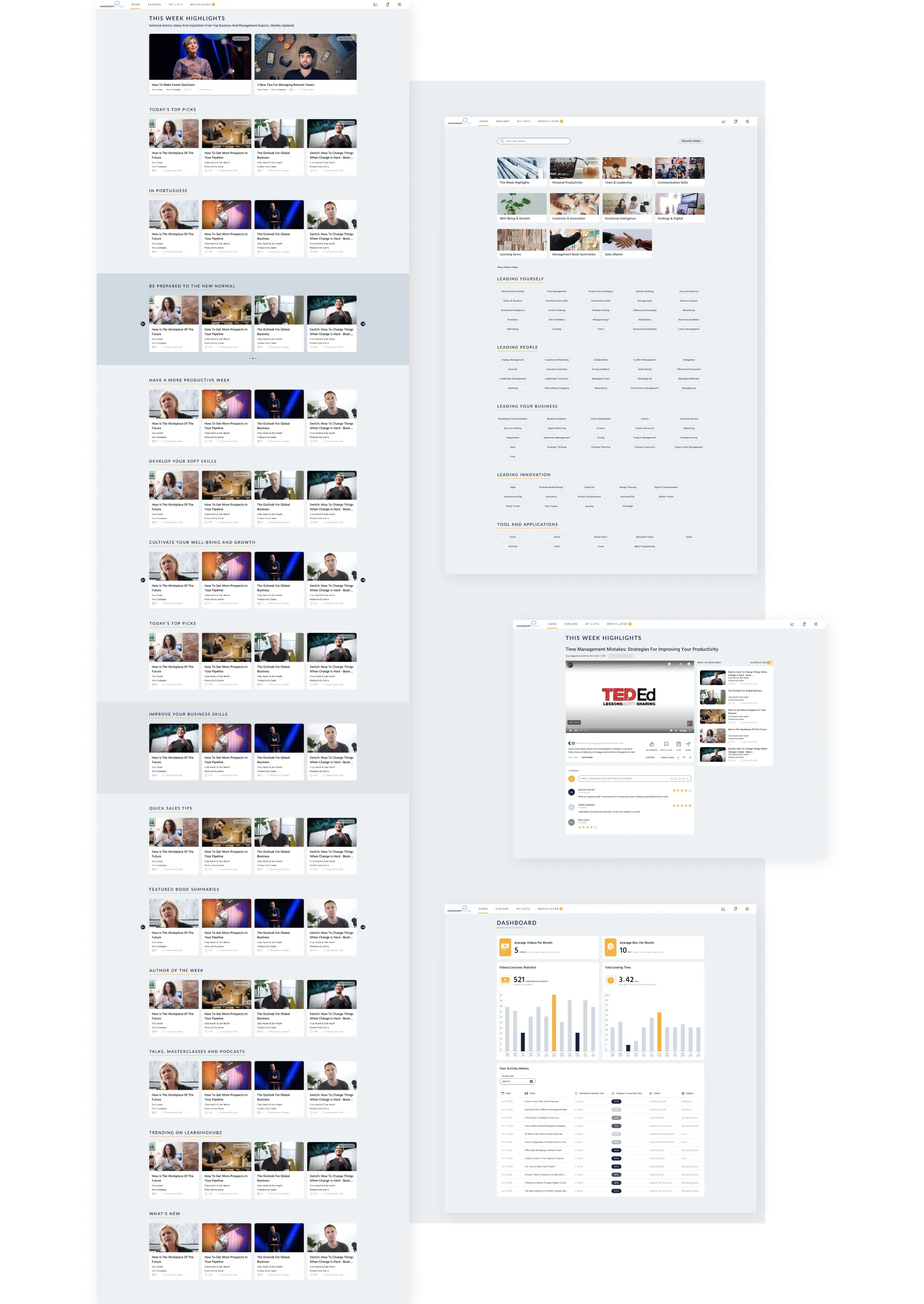
Learninghubz is a learning platform focused on organizations to deliver business and technical skills. It provides to Corporate L&D (Learning & Development) a “YouTube like” learning experience, with permanently curated videos from +300 YouTube channels on business and technical skills, bringing together the best bitesize videos, management tips, tutorials, classes, expert insights and courses.
Important entities such and the Bank of Portugal, the Lisbon City Council amongst others, are avid users of the platform and have enrolled more than 1,500 of their employees to learn what they really need in order to develop professionally, while optimizing processes to achieve L&D objectives. Furthermore, LearninHub has helped simply and opmitize content management, allowing Human Resources teams to have more time for other organization's priorities.

Imaginary Cloud’s role and involvement with Learninghubz
Learninghubz partnered with Imaginary Cloud to improve their visualization time, monthly videos watched and number of active users. Two main pain points were identified:
• Lack of user engagement
• Outdated UX/UI design patterns
 NEW PROJECT IN MIND? LET'S TALK
during the project
Through the UX Audit, Imaginary Cloud identified a certain set of issues that reduced the platform's disoverability and compromised its authority and credibility:
• Poor navigation and readibility;
• Poor visual aesthetics
Elements like responsiveness, documentation and help also had an impact on the platform even though minor.
To tackle these issues, the team performed improvements through:
1- Following established UI/UX patterns;
2- Focusing on navigation best practices;
3- Creating stronger and more appealing visuals;
4- Working on visual consistency;
5- Improve text readability;
6- Working on a clearer text hierarchy;
7- Investing in a valuable onboarding experience.
Three stages
Analysis
Execution
MVP Launch
two stages
Migration
Development
four stages
Research
Ideation
Execution
Technical Assessment
four stages
Requirements
Back-end integration
Website development
Advanced filtering and search
four stages
Research
Ideation
Execution
Technical Assessment
four stages
Backlog
Bootstrap
Wave 0
Wave N
four stages
Research
Ideation
Execution
Launch & Handover
two processes
MVP
ADP
Four stages
Scope meeting
Code review
Test review
Quality review
Assessment
Four stages
Backlog
Bootstrap
Wave 0
Wave N
during the project
Through the UX Audit, Imaginary Cloud identified a certain set of issues that reduced the platform's disoverability and compromised its authority and credibility:
• Poor navigation and readibility;
• Poor visual aesthetics
Elements like responsiveness, documentation and help also had an impact on the platform even though minor.
To tackle these issues, the team performed improvements through:
1- Following established UI/UX patterns;
2- Focusing on navigation best practices;
3- Creating stronger and more appealing visuals;
4- Working on visual consistency;
5- Improve text readability;
6- Working on a clearer text hierarchy;
7- Investing in a valuable onboarding experience.
TECHNOLOGIES used




Our experienced developers used Angular to build the Front-end of the Learninghubz platform.
We have used Typescript together with Node.JS to create a micro-service that allowed us to manage the images within the platform.
We have used Typescript together with Node.JS to create a micro-service that allowed us to manage the images within the platform.
The development team used .Net in the back-end to link it to the front-end, ensuring a fully functional application.
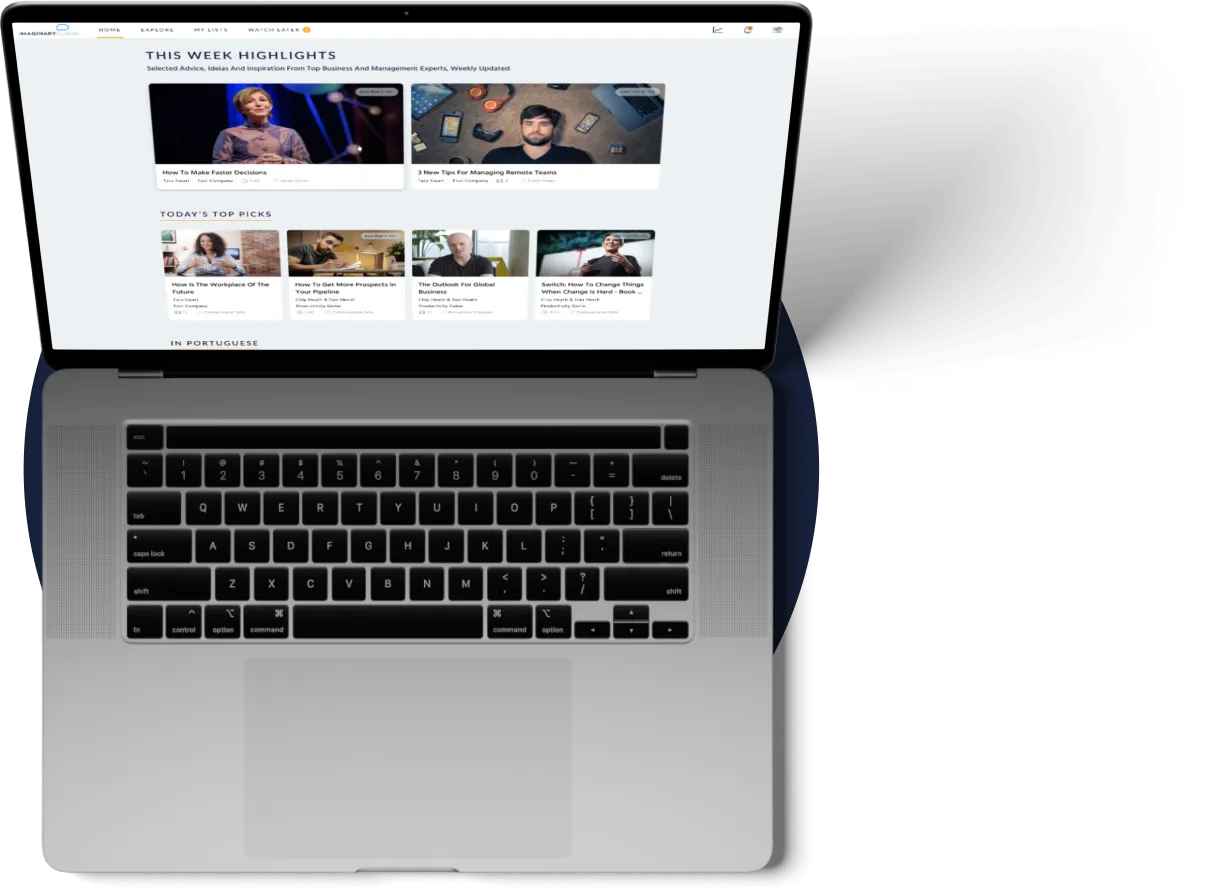
Since Learninghubz was looking for high technical expertise to improve their platform, we followed the Dedicated Team working model, which included our product-oriented UX/UI Designers and Frontend Developers. This way, we were able to provide the client with a development team fit to their needs, able to work independently, and fully integrated with their own team and processes.
UX/UI Designers: Responsible for conducting the UX Audit, creating the new design, architecture and implementation of all the experiences a user has when interacting with the platform.
Front-end Developers: Responsible for ensuring that the platform’s users can easily interact with it. They do this through the combination of design, technology and programming the platform’s appearance, as well as taking care of debugging.
This project delivered an in-depth understanding of the customer persona and their interaction with the service.
increased growth rate 3 months after launching.
increased in-app time for desktop.
increased in-app time for mobile.