
Lotto Billions expanded to Brazil in just 2 months by improving their web application

About this project
Lotto Billions reached out to Imaginary Cloud to develop a web app for buying lottery tickets. We built it through our Agile development process.
Result: Lotto Billions gained popularity with a growing number of users in Brazil in just 2 months, and purchase volume on the platform keeps rising.
our INVOLVEMENT
Development
Infrastructure
End-to-end Testing
technologies
React
GraphQL
Node.js
Express.js
MySQL
AWS
Lotto Billions provides access to the biggest lotteries in the world for players in emerging markets. They specialize in offering lower-priced lottery tickets, introducing a novel approach to playing the lottery called the "lottery bet". Through their innovative insurance model, Lotto Billions can provide international lottery tickets at highly competitive prices, ensuring a substantial profit margin.
By leveraging their cutting-edge technology and business expertise, they create tailored combinations of jackpots and ticket prices for renowned global lotteries, accommodating the preferences and budgets of every player.
Additionally, Lotto Billions has established connections with locally relevant payment solutions and is continuously working to expand the range of payment options available to their players.
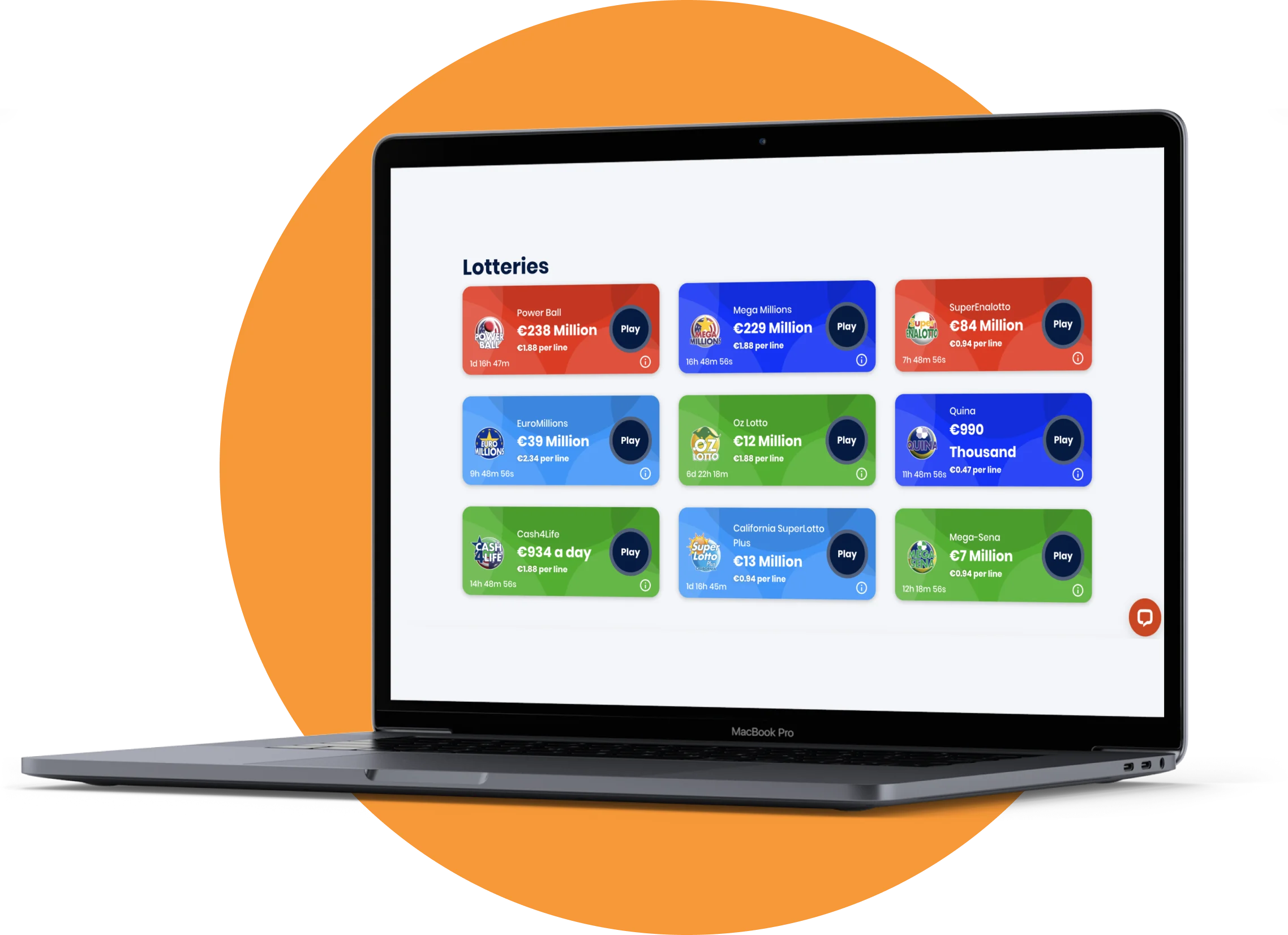
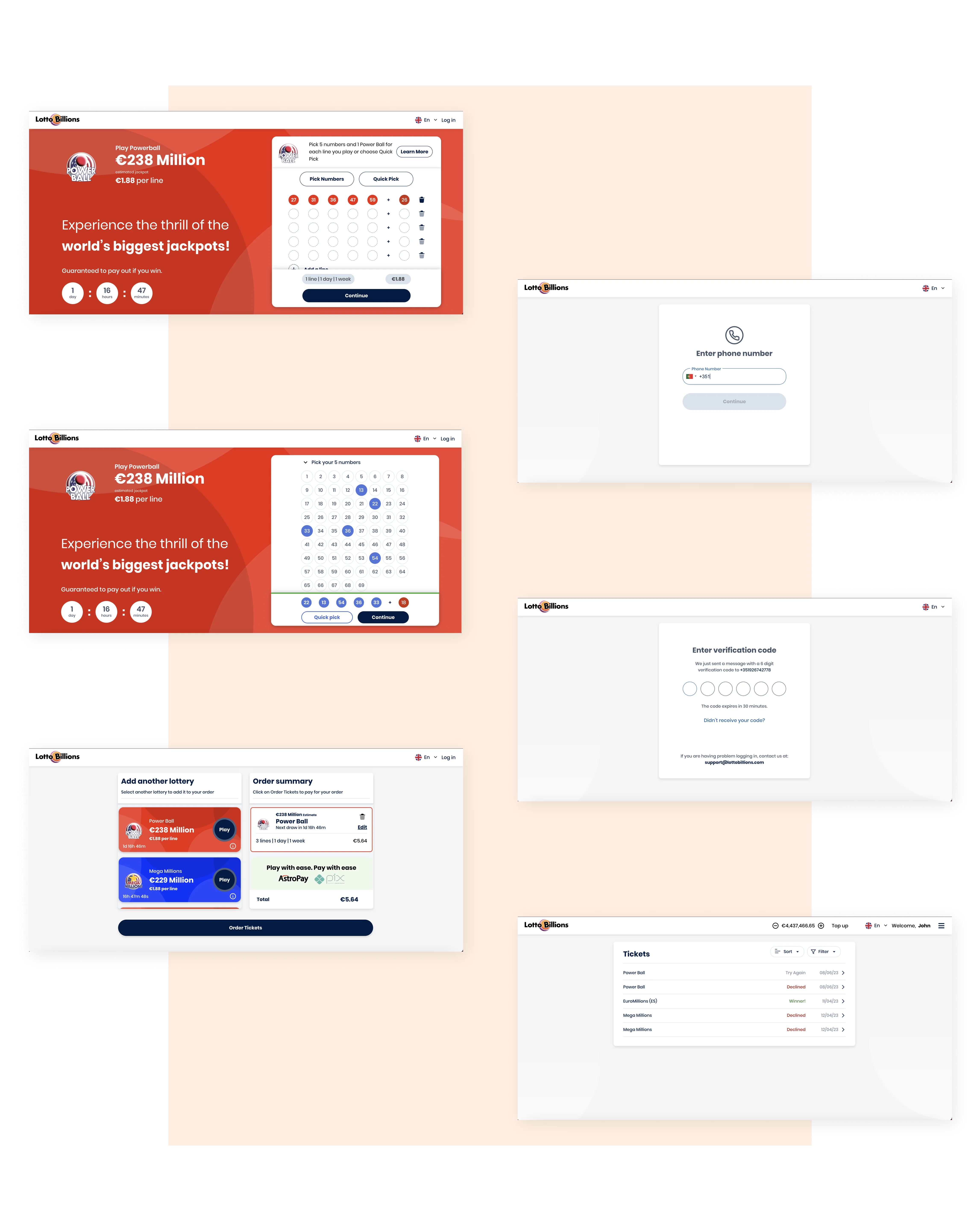
Lotto Billions partnered with Imaginary Cloud for their website development (both backend and frontend), infrastructure and end-to-end testing. We developed a user-friendly website, a powerful admin system, and a seamless app for customers. We also built a robust infrastructure to ensure everything runs smoothly, including secure data storage and efficient traffic management.
This partnership helped Lotto Billions gain popularity among a growing number of users in Brazil. With each passing day, the volume of purchases is on the rise, a clear indicator that players are finding joy and satisfaction in the platform.
 NEW PROJECT IN MIND? LET'S TALK
during the project
We followed the Agile Development Process in order to prioritize flexibility, collaboration, and customer feedback. This process involded breaking the project into smaller, manageable parts called iterations or sprints, during which the team worked collaboratively to design, build, test, and deliver a functional piece of the product. The Agile process encourages continuous adaptation, with regular stakeholder feedback driving the evolution of the product.
Three stages
Analysis
Execution
MVP Launch
two stages
Migration
Development
four stages
Research
Ideation
Execution
Technical Assessment
four stages
Requirements
Back-end integration
Website development
Advanced filtering and search
four stages
Research
Ideation
Execution
Technical Assessment
four stages
Backlog
Bootstrap
Wave 0
Wave N
four stages
Research
Ideation
Execution
Launch & Handover
two processes
MVP
ADP
Four stages
Scope meeting
Code review
Test review
Quality review
Assessment
Four stages
Backlog
Bootstrap
Wave 0
Wave N
during the project
We followed the Agile Development Process in order to prioritize flexibility, collaboration, and customer feedback. This process involded breaking the project into smaller, manageable parts called iterations or sprints, during which the team worked collaboratively to design, build, test, and deliver a functional piece of the product. The Agile process encourages continuous adaptation, with regular stakeholder feedback driving the evolution of the product.
TECHNOLOGIES used






Used for building interactive user interfaces, and to create dynamic, responsive, and an efficient front-end application.
Used for the APIs that allows clients to request specific data they need, reducing over-fetching and under-fetching of data.
To allow developers to run JavaScript on the server-side.
Simplifies the process of building robust and scalable web applications.
Simplifies the interaction with relational databases like MySQL, making it easier to manage and manipulate database data within Node.js applications.
Used for storing, managing, and retrieving structured data in various applications, including web and mobile applications.
Used CloudFront, S3, ALB, AWS Fargate, and RDS to build, deploy, and manage the applications and services in the cloud.

Since Lotto Billions was looking for high technical expertise, we followed the Managed Team working model, which included our product-oriented Front-end Developers and Back-end Developers. This way, we were able to provide Lotto Billions with a team fit to their needs.
Front-end Developers: Responsible for ensuring that the platform’s users can easily interact with it. They do this through the combination of design, technology and programming the platform’s appearance, as well as taking care of debugging.
Back-end Developers: Responsible for developing the server-side logic, databases, and infrastructure that enable the front-end, or user interface, to function effectively. This involves designing and implementing the server and database architecture, ensuring data security, optimizing performance, and managing the application's overall responsiveness.
This project delivered an in-depth understanding of the customer persona and their interaction with the service.
Lotto Billions is successfully being used in Brazil just 2 months after the website was launched.
The volume of purchases is on the rise.