
all
Business
data science
design
development
our journey
Strategy Pattern
Thank you! Your submission has been received!
Oops! Something went wrong while submitting the form.
Thank you! Your submission has been received!
Oops! Something went wrong while submitting the form.
Alexandra Mendes

16. Januar 2026

Min Read

Was ist Cloud-Infrastruktur? Grundlagen Cloud-nativer Plattformen

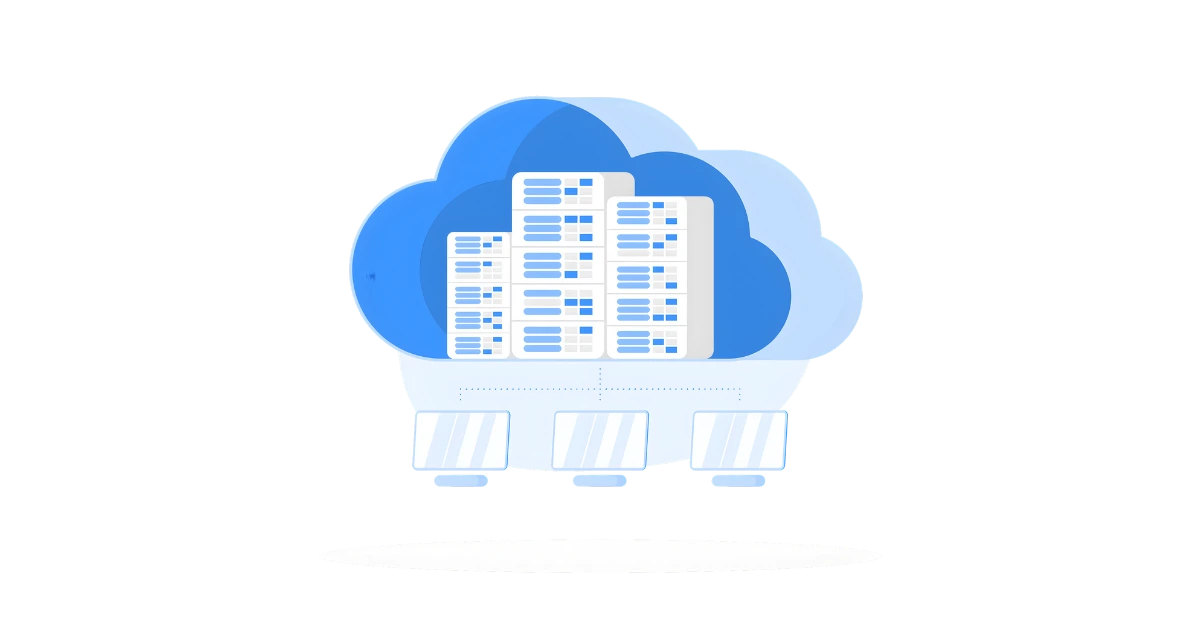
Illustration of cloud infrastructure with servers and databases inside a scalable cloud environment.

The cloud infrastructure includes physical and virtuel resources as servers, storage, networks and security, which enable the provide of computer services over the internet. Sie abstrakt das Hardwaremanagement und ermöglicht es Unternehmen, Infrastruktur nach Bedarf bereitzustellen, zu skalieren und zu verwalten, ohne physische Rechenzentren betreiben zu müssen.

Nebst the based hosting supports the cloud infrastructure modern cloud native platforms and supports container, microservices, automation and deklarative configuration. This functions enable systems, dynamisch skalierbar und konsistent in öffentlichen, privaten und hybriden Cloud-Umgebungen zu funktionieren.

In diesem Handbuch wird die Cloud-Infrastruktur aus praktischer technischer und architektonischer Sicht erklärt. Anstatt sich auf anbieterspezifische Funktionen zu konzentrieren, wird untersucht, wie die Cloud-Infrastruktur in AWS-, Azure-, Google Cloud- und Hybridumgebungen in realen Produktionssystemen bewertet, entworfen und betrieben wird.

blue arrow to the left
Imaginary Cloud logo

Was ist Cloud-Infrastruktur?

The cloud infrastructure is the base of Cloud Computing and combine physical hardware with softwaredefined virtual, network and security. These resources are provided as on demand services, that companies can access on the power capacity, without physical systems must manage directly.

Große Anbieter wie Amazon Web Services, Microsoft Azure, Google Cloud, und IBM Cloud operating global rechenzentren, which provide a scale, reliable infrastructure through virtualization and automation. This abstraction allows a quickly implementation, cost optimization and einführung of hybrid and multicloud strategies, with integrated public, private and local resources.

Zum Beispiel Netflix setzt auf AWS-Cloud-Infrastruktur to streaming content for more as 230 million subscribers worldwide. Durch die Nutzung der skalierbaren Rechen- und Speicherdienste von AWS kann Netflix die Ressourcen in Spitzenzeiten dynamisch anpassen und so eine hohe Verfügbarkeit und ein reibungsloses Nutzererlebnis gewährleisten.

blue arrow to the left
Imaginary Cloud logo

Was sind die Kernkomponenten der Cloud-Infrastruktur?

The cloud infrastructure is from several main components which operate to provide skalable, reliable and flexible computer services. The understanding this components is for technical professionals to design or manage cloud environments, by significant meaning.

Was ist physische Infrastruktur in der Cloud?

The physical infrastructure includes servers, storage systems, network devices and security hardware, which are used in rechenzentren. This devices provides redundance, power stability and Cooling, to ensure a continuous availability.

Anbieter wie IBM Cloud und Oracle-Cloud operate worldwide large rechenzentras, that hardware hosting.

Wie funktioniert Virtualisierung in der Cloud-Infrastruktur?

Virtualization abstrahiert physische Ressourcen in isolierten Umgebungen wie virtuellen Maschinen und Containern. Hypervisoren wie KVM, Hyper-V, Xen and VMware ermöglichen eine effiziente Hardwarenutzung und dynamische Workload-Zuweisung.

This is the base for skalable, flexible and reliable cloud provides.

Von the Virtualization support key components

  • Computer: Führen Sie Anwendungen in virtuellen Maschinen oder Containern aus.

  • Speicher: Unterstützt Block-, Datei- und Objektspeicher für verschiedene Datentypen.

  • Netzwerke: Virtuelle Private Clouds, softwaredefinierte Netzwerke und Load Balancer verbinden Ressourcen sicher miteinander.

Benefits of Virtualization

  • Improved hardware usage

  • Dynamische Skalierung von Workloads

  • Isolierung von Anwendungen für Sicherheit und Stabilität

Wofür Cloud-Architekten die Produktionsumgebungen optimieren

When the documentation of cloud providers often on functions, priority cloud architects a other set of criteria, when the systems has reached the production measure.

In der Praxis optimieren Teams für:

  • Isolierung von Ausfällen: Design einer Infrastruktur, um zu verhindern, dass einzelne Komponentenausfälle über Dienste hinweg kaskadieren.

  • Operative Sichtbarkeit: Versichern, dass Monitoring, Protokollierung und Warnmeldungen vom ersten Tag an auf der Infrastrukturebene integriert sind.

  • Aendern security: Support frequent, risk armer provides by automatization and unveränderlichkeit.

  • Standardmäßige Sicherheit: Inbetting of Identity-, Attack- und Netzwerkkontrollen in Infrastructure Templates, statt sie manuell anzuwenden.

  • Organizational fit: Abstimmung der Infrastrukturentscheidungen auf die Fähigkeiten des Teams, nicht nur auf technische Ideale.

Praktisches Mitnehmen:

The effektiv cloud infrastructure are not the complexity, but that who can work the teams under pressure safe.

blue arrow to the left
Imaginary Cloud logo

Wie ist die Cloud-Infrastruktur in Schichten organisiert?

The cloud infrastructure is in logic levels, the physical resources of applications to improve modularity, security and operation effectiveness.

  • Physische Ebenen und Virtualisierungsebenen
    Pare ready für Rechen-, Speicher-, Netzwerk- und Hardwareabstraktion.

  • Infrastructure and Platforms
    Plant resources via APIs and managed running times to available and enable IaaS and PaaS.

  • Application-Level
    Liefert vollständig verwaltete Software für Endbenutzer (SaaS).

  • security and monitoring (schichtübergreifend)
    Set identity, access control, compliance and observation in all levels through.

Die wichtigsten Erkenntnisse:

  • Klare Trennung der Zuständigkeiten

  • Probiert Automation and Scalability

  • Unterstützt konsistent IaaS, PaaS und SaaS

decision matrix for cloud infrastructure (practical technical view)

Bei der Auswahl oder Gestaltung der Cloud-Infrastruktur optimieren Teams selten für einen einzelnen Faktor wie Kosten oder Leistung. In der Praxis basieren Entscheidungen auf einer Kombination aus technischen Einschränkungen, organisatorischer Reife und Risikotoleranz.

Die folgende Matrix zeigt, wie Cloud-Infrastrukturentscheidungen in der Regel in realen Umgebungen bewertet werden.

Primary Constraint Infrastructure Priority Practical Rationale
Unpredictable demand Public cloud Elastic scaling absorbs traffic spikes without overprovisioning
Strict data residency or compliance Private or hybrid cloud Greater control over data location, access, and auditability
Legacy systems integration IaaS-first Enables lift-and-modernise without full re-architecture
Developer velocity PaaS + containers Reduces operational overhead and accelerates release cycles
Cost predictability Hybrid or reserved capacity Minimises exposure to variable usage-based billing
High availability requirements Multi-region public cloud Built-in redundancy and automated failover

Wenn Unternehmen diese Kompromisse frühzeitig verstehen, können sie architektonische Überarbeitungen und unerwartete Betriebskosten vermeiden.

Example:
Spotify nutzt Cloud-Dienste wie die Google Cloud Platform (GCP), um personalisierte Musikerlebnisse bereitzustellen, und unterstützt skalierbare, kontinuierliche Bereitstellungen auf verteilten Systemen.

blue arrow to the left
Imaginary Cloud logo

Section 4: How supports the Cloud Infrastructure Cloudnative Platforms?

Cloud-native Plattformen basieren auf einer Cloud-Infrastruktur, um moderne, skalierbare und belastbare Anwendungen bereitzustellen. Für Ingenieure und Technologieführer, die Systeme entwickeln, die in dynamischen Umgebungen effizient funktionieren müssen, ist es unerlässlich, diese Beziehung zu verstehen.

Was sind Cloud-native Plattformen?

Cloud-native Plattformen are software environments, which are designed to use the functions of the cloud infrastructure. Sie nutzen betriebliche Flexibilität, die eine schnelle Entwicklung, Bereitstellung und Aktualisierung ermöglicht, ohne die Systemstabilität zu beeinträchtigen.

Wie ermöglicht Container Cloud-native Anwendungen?

Container sind leichte, tragbare Einheiten, die Anwendungen mit all ihren Abhängigkeiten, einschließlich Bibliotheken und Frameworks, bündeln. Sie bieten konsistente Entwicklungs-, Test- und Produktionsumgebungen, reduzieren die reibungslose Bereitstellung und beheben Kompatibilitätsprobleme. Container allows also efficient running several applications on same physischer hardware.

Was sind Microservices und wie funktionieren sie?

Microservices zerlegen Anwendungen in kleine, unabhängige Dienste, die bestimmte Funktionen ausführen. Jeder Microservice kann aktualisiert, skaliert oder ersetzt werden, ohne dass dies Auswirkungen auf die restliche Anwendung hat. This approach improve the system stability, beschleunigt die Release-Zyklen und vereinfacht die Wartung.

Was ist eine unveränderliche Infrastruktur und warum ist sie wichtig?

Eine unveränderliche Infrastruktur ist ein Bereitstellungsparadigma, das nach der Bereitstellung unverändert auf dem Server bleibt. After existing server to updates, replace new high performance instances older, if resources must be skaliert. This method makes provides vorhersehbar, simplify rollback procedure and reduced configuration abweichungen.

How improve deklarative APIs and Automation Cloud-native Platforms?

Declarative APIs ermöglichen es Entwicklern, den gewünschten Zustand der Infrastruktur zu definieren, anstatt manuelle Befehle auszugeben. The automatic agreement provides safe that the system continuous the defined state, which infrastructure as code, consistency and operating efficiency are guaranteed. Service Meshes verbessern diese Ebene noch weiter, indem sie die Kommunikation, den Lastausgleich und die Sicherheit zwischen Microservices verwalten.

Wie verbessert die Cloud-Infrastruktur Agilität, Skalierbarkeit und Belastbarkeit?

The cloud infrastructure provides the physical and virtual basis for horizontal scalation, that applications by schwankender demand up or down skaliert werden können.

Virtualization and Automation improve the resource load, during monitoring and governance levels, a high availability and system reliability.

Container-ized microservices enable higher bereitstellungshäufigkeit und kürzere Startzeiten als herkömmliche virtuelle Bereitstellungen.

Summary:

  • Unterstützt skalierbare, belastbare Cloud-native Anwendungen.

  • Container: tragbare Umgebungen für einen konsistenten Einsatz.

  • Microservices: modulare, unabhängig einsetzbare Anwendungskomponenten.

  • Unveränderliche Infrastruktur und deklarative APIs: Similiate Scaling and Maintenance.

  • Verbessert Agilität, Automatisierung und horizontale Skalierbarkeit.

Digital Transformation Service call to action

blue arrow to the left
Imaginary Cloud logo

Was sind die wichtigsten Cloud-Infrastruktur-Servicemodelle?

The cloud infrastructure is provided by different service models that each provide a different measure of control, flexibility and operating responsibility. The knowledge this models helps company to select the correct approach for their applications.

Was ist Infrastruktur als Service (IaaS)?

Infrastructure as a Service (IaaS) stellt virtualisierte Computerressourcen wie Server, Speicher und Netzwerke bereit. Organizations managen das Betriebssystem, die Laufzeitumgebungen und die Anwendungen, während der Anbieter die zugrunde liegende Hardware verwaltet. IaaS bietet ein Höchstmaß an Flexibilität und Kontrolle und ist daher ideal für benutzerdefinierte Bereitstellungen und containerisierte Microservices.

Was ist Plattform als Service (PaaS)?

Platform as a Service baut auf IaaS auf und bietet vorkonfigurierte Umgebungen mit Entwicklungstools, Datenbanken und kontinuierlichen Integrationspipelines. PaaS vereinfacht die Anwendungsbereitstellung und beschleunigt die Entwicklung, da weniger Infrastrukturmanagement erforderlich ist. PaaS bietet zwar weniger Anpassungsmöglichkeiten als IaaS, eignet sich aber gut für die standardisierte Anwendungsentwicklung.

Was ist Software als Service (SaaS)?

Software als Service stellt vollständig verwaltete Anwendungen über das Internet bereit. Users take to software, without infrastructure or platforms must manage. SaaS provides a practical experience that es company allows to focus to focus of applications, but they manage.

Example:
Slack works as SaaS example, that runs on a cloud infrastructure, to provide tools for the work in real time in High Mass.

In der folgenden Tabelle sind die wichtigsten Unterschiede in den Bereichen Steuerung, Verwaltung und Anwendungsfälle zusammengefasst.

Criteria IaaS PaaS SaaS
Control High – manage OS, runtime, applications Medium – manage applications and configuration Low – only use software
Management Organisation Provider Provider
Use Cases Custom architectures, legacy migrations, container platforms Application development, APIs, microservices Business apps, collaboration, analytics tools
Operational Overhead High Moderate Minimal
Scalability & Automation Requires configuration Built-in Handled by provider
Best For Teams needing flexibility & control Teams prioritising speed & developer productivity Organisations focused on application usage

Was sind die wichtigsten Cloud-Infrastruktur-Servicemodelle?

Durch die Auswahl der richtigen Servicemodelle wird die technische Kontrolle mit den Geschäftsprioritäten in Einklang gebracht. Viele Unternehmen kombinieren Modelle, um Kosten, Skalierbarkeit und Liefergeschwindigkeit zu optimieren und gleichzeitig eine Anbieterbindung zu vermeiden.

Die wichtigsten Erkenntnisse:

  • IaaS for Controlling and benutzerdefinierte Architectures

  • PaaS for speed and Developer productivity

  • SaaS for minimal operating aufwand
blue arrow to the left
Imaginary Cloud logo

Wie ist die Cloud-Infrastruktur gesichert?

Safety is an important component of cloud infrastructure. The protection of resources, applications and data requires a combination from identity management, access control, monitoring and compliance Practices.

Was ist Identitäts- und Zugriffsmanagement in der Cloud?

Identitäts- und Zugriffsmanagement (IAM) defined, we can access on cloud resources and which actions can run. Strenge IAM-Richtlinien verwenden Multifaktor-Authentifizierung, rollenbasierte Zugriffskontrolle und Single Sign-On, um sicherzustellen, dass nur autorisierte Benutzer auf vertrauliche Ressourcen zugreifen können.

Was sind Zero-Trust-Prinzipien und wie werden sie angewendet?

Zero-Trust security goes from that no access request from nature is trust, independent from network location. Jede Anfrage wird authentifiziert, autorisiert und kontinuierlich validiert. The implementation of Zero-Trust in the cloud infrastructure increases the security, as reduced the risk of side motion within the systems and limited the risk compromitted access data.

Wie wird eine kontinuierliche Überwachung implementiert?

Continuous monitoring and testing detect suspicious activities and ensure the compliance of behördliche Anforderungen. Monitoring-Tools bieten einen Überblick über die Nutzung von Ressourcen, Leistung und Sicherheitsanforderungen. This tools help company, quickly to react on incidents, the operating integrity and effective implementation guidelines.

How supports the cloud infrastructure the compliance of regulations?

Cloud-Anbieter implementieren Sicherheitskontrollen, Verschlüsselung und Audits, um Unternehmen dabei zu unterstützen, branchenspezifische und behördliche Standards einzuhalten. Compliance-Frameworks sind häufig in IAM- und Überwachungssysteme integriert, sodass Unternehmen die Einhaltung von Gesetzen wie der DSGVO, HIPAA und ISO-Standards nachweisen können.

Why is security a basic level of cloud native platforms?

Cloud-native Platforms are provided on a safe infrastructure, to support automated provides, container and microservices. Durch die Integration von Sicherheit auf jeder Ebene, von der physischen Hardware bis hin zum Identity Management, können Unternehmen Anwendungen skalieren und gleichzeitig Vertraulichkeit, Integrität und Verfügbarkeit wahren.

blue arrow to the left
Imaginary Cloud logo

Was ist eine Hybrid-Cloud-Infrastruktur und wie funktioniert sie?

The Hybrid Cloud Infrastructure combine public cloud, private cloud and local resources to provide flexibility, optimize costs and meet regulatory requirements. This allows company to select the suitable environment for each workload and simultaneous control about important data and applications.

Warum setzen Unternehmen Hybrid-Cloud-Modelle ein?

Set-companies to Hybrid Cloud Models to bring scale, cost efficiency and control in agreement. Öffentliche Clouds bieten flexible Ressourcen für variable Workloads, während private Clouds und lokale Systeme sensible Daten oder ältere Anwendungen verarbeiten. This combination prevents an provider bindung and allows the strategic platzierung of workloads to be gerecht to the business requirements.

How improve an hybrid cloud infrastructure flexibility and skalability?

A Hybrid Cloud Infrastructure allows the horizontal scaling of applications, through workloads are dynamicable between public and private environment. Dadurch wird sichergestellt, dass die Systeme auch ihre Leistung bei Bedarfsspitzen aufrechterhalten und gleichzeitig die Ressourcennutzung optimieren. Elastische Skalierung reduziert den Bedarf an überversorgter Hardware und verbessert die betriebliche Effizienz.

Was sind die Sicherheitsüberlegungen in Hybrid-Cloud-Umgebungen?

Hybride Umgebungen erfordern konsistente Sicherheitsrichtlinien auf allen Plattformen. Identity and access management, verschlüsselung and kontinuierliche Überwachung muss sowohl Cloud- als auch lokale Ressourcen umfassen. The implementation of Zero-Trust principles includes to protect data if they are transfer between environments.

Wie verwalten Unternehmen die Einhaltung der Vorschriften in Hybrid Clouds?

A Hybrid Cloud Infrastructure requires an integrated compliance monitoring to meet the regulatory requirements. Unternehmen müssen die Richtlinien einheitlich in allen Umgebungen durchführen, Prüfprotokolle führen und sicherstellen, dass die Standards für Verschlüsselung und Datenspeicherung eingehalten werden. Cloud-Anbieter stellen häufig Tools and Templates zur Verfügung, um das Compliance-Management zu vereinfachen.

Warum ist Hybrid Cloud wichtig für moderne Anwendungen?

A hybrid cloud infrastructure allows company to use the skalability of public cloud scale and the control of the private cloud control. Sie unterstützt Cloud-native Plattformen, automatisierte Bereitstellungen und kontinuierliche Integration und stellt gleichzeitig sicher, dass sensible Workloads sicher und konform bleiben.

Häufige Fallstricke in der Cloud-Infrastruktur in echten Organisationen

Cloud-Infrastrukturinitiativen scheitern oft nicht an technischen Einschränkungen, sondern an falsch ausgerichteten Erwartungen.

Zu den häufigsten Fallstricken gehören:

  • Entwerfen für Hyperscale, wenn Workloads stabil und vorhersehbar sind

  • Einführung von Containern ohne ausreichende Betriebsreife

  • Treatment of security as an problem after the use

  • The complex of hybrid connectivity and identity management is unterschätzt

  • Optimierung für kurzfristige Kosten statt für langfristige Betriebsfähigkeit

Was in der Praxis am wichtigsten ist:

The infrastructure should to take to to to the actual use musters and team ability.

Summary:

  • Kombiniert öffentliche, private und lokale Ressourcen für mehr Flexibilität.

  • Unterstützt dynamische Workload-Skalierung und Kosteneffizienz.

  • Security and compliance must be uniform in all environments.

  • Es ermöglicht cloudnative Plattformen und schützt gleichzeitig sensible Daten.
blue arrow to the left
Imaginary Cloud logo

Letzte Gedanken

Your cloud infrastructure determined, how quickly and safe your company can scale. With the correct design can improve the fallsecurity, automation and efficiency in IaaS-, PaaS-, SaaS- and Hybrid environments.

Infrastrukturmodelle, die sich an diesen Antworten orientieren, übertreffen durch theoretisch „optimale“ Architekturen.

Sie ergreifen noch heute Maßnahmen: Evaluieren Sie Ihre Cloud-Infrastruktur, identifizieren Sie Optimierungsmöglichkeiten und erstellen Sie eine klare, umsetzbare Roadmap, die auf Ihr Unternehmen zugeschnitten ist. Kontaktiere uns jetzt, um intelligenter und schneller zu skalieren.

Artificial Intelligence Solutions  done right - CTA
blue arrow to the left
Imaginary Cloud logo
blue arrow to the left
Imaginary Cloud logo

Häufig gestellte Fragen (FAQ)

Was ist Cloud-Infrastruktur in einfachen Worten?

The cloud infrastructure provides rechenresources as servers, storage and networks over the internet, that not must be managed physical hardware.

How works the cloud infrastructure?

It virtual physical hardware in rechenzentren and provides resources after demand via software interfaces, during the provider manage the based systems.

Was sind die Hauptkomponenten der Cloud-Infrastruktur?

The main components are physical hardware, virtualization, rechen-, storage-, network and softwaredefined management tools.

Wie unterscheidet sich die Cloud-Infrastruktur von der lokalen Infrastruktur?

The cloud infrastructure abstrahated the hardware management and provides skalable, demand gerecht resources, before location of the property and maintenance physical systems are required.

Ist Cloud-Infrastruktur dasselbe wie IaaS?

Nein, IaaS is a service model, the cloud infrastructure resources available, during the cloud infrastructure also supported PaaS, SaaS and Cloud native platforms.

Was ist eine Hybrid-Cloud-Infrastruktur?

The Hybrid Cloud kombiniert öffentliche, private und lokale Ressourcen, sodass Workloads in der für Leistung, Sicherheit oder Compliance am besten geeigneten Umgebung ausgeführt werden können.

How safe is the cloud infrastructure?

It is secured by identity management, verschlüsselung, monitoring and compliance controls, which the responsibilities are divided between the provider and the organization.

Warum ist Cloud-Infrastruktur für Cloud-native Plattformen wichtig?

Es bietet die Grundlage für skalierbare, automatisierte und belastbare Plattformen, die Container, Microservices und Continuous Delivery unterstützen.

Can support the cloud infrastructure modern devOps-Praktiken?

Ja, es ermöglicht Automatisierung, Infrastruktur als Code, Überwachung und kontinuierliche Integration für schnellere, stabile Bereitstellungen.

Wann sollte ein Unternehmen eine Cloud-Infrastruktur nutzen?

Use it, if skalable, flexible and cost efficient computing required, especially for modern applications, that require a fast adaptation.

Alexandra Mendes
Alexandra Mendes

Alexandra Mendes ist Senior Growth Specialist bei Imaginary Cloud und verfügt über mehr als 3 Jahre Erfahrung in der Erstellung von Texten über Softwareentwicklung, KI und digitale Transformation. Nach Abschluss eines Frontend-Entwicklungskurses erwarb Alexandra einige praktische Programmierkenntnisse und arbeitet nun eng mit technischen Teams zusammen. Alexandra ist begeistert davon, wie neue Technologien Wirtschaft und Gesellschaft prägen. Sie liebt es, komplexe Themen in klare, hilfreiche Inhalte für Entscheidungsträger umzuwandeln.

LinkedIn

Read more posts by this author

People who read this post, also found these interesting:

arrow left
arrow to the right
Dropdown caret icon