Written by:



Last Published:
2 augusti 2026
•
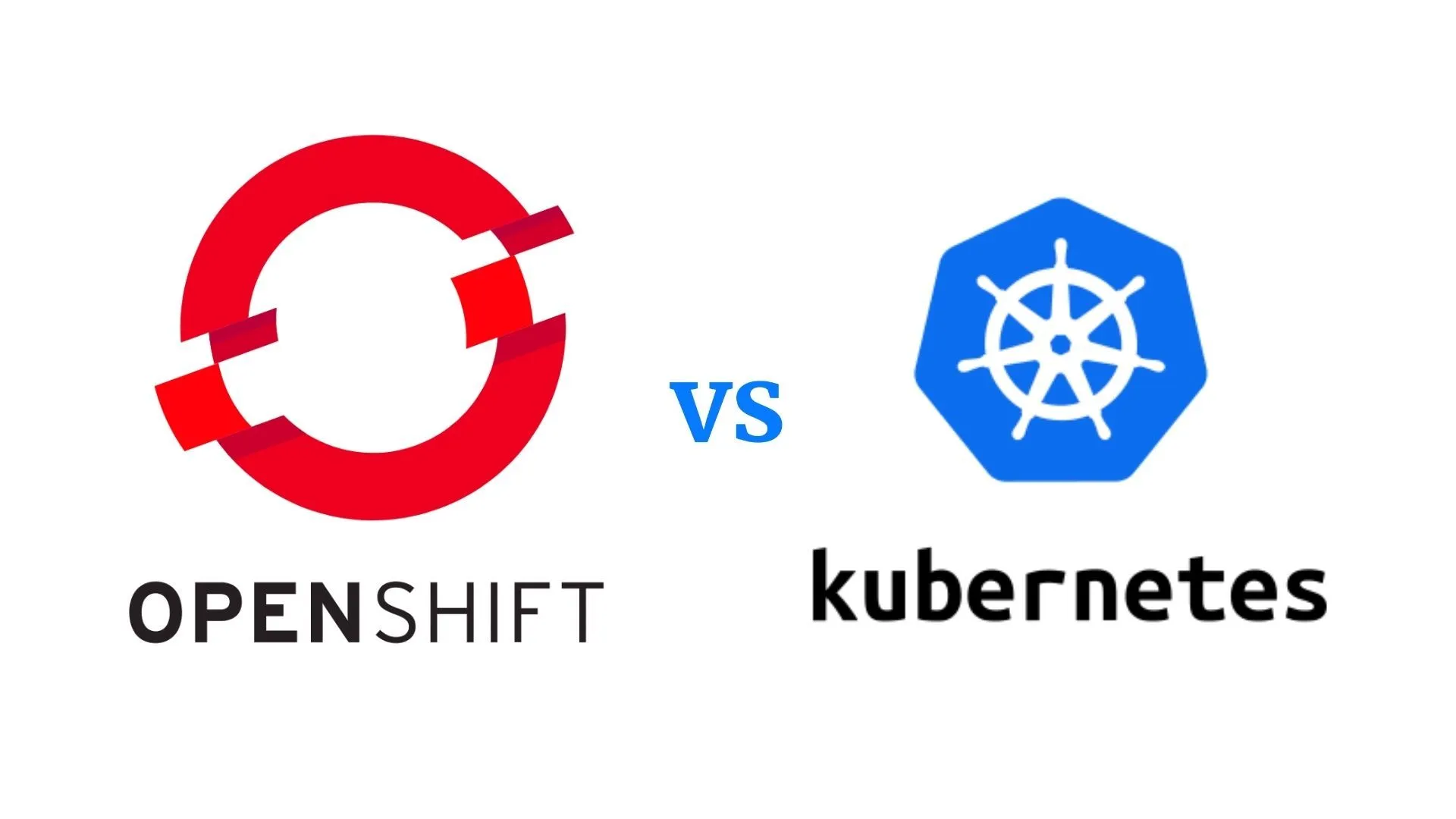
OpenShift kontra Kubernetes är en jämförelse mellan en hanterad företagsplattform för containrar och ett open source-system för containerorkestrering. Kubernetes ger dig flexibilitet och kontroll för att distribuera och hantera containerbaserade applikationer. OpenShift bygger vidare på Kubernetes och lägger till verktyg, säkerhetsfunktioner och automatisering utformade för företagsmiljöer.
Se Kubernetes som en motor. OpenShift är bilen som Red Hat bygger runt den motorn: säkerhetsbälten monterade, serviceavtal tecknat och någon i andra änden av telefonen om den inte startar. Du kan köpa motorn separat och bygga bilen själv, och många duktiga team gör just det. Du behöver bara ett garage och någon som kan arbeta i det.
Det är hela kärnan i beslutet, och det har mindre med teknik att göra än vad de flesta jämförelsesidor vill erkänna. Låt oss gå igenom det.
Kort sagt:
Beslutet handlar sällan om licensen. Det handlar om huruvida du har råd att finansiera och behålla det plattformsteam som rå Kubernetes-orkestrering kräver.
Kubernetes är en plattform med öppen källkod för containerorkestrering som används för att distribuera, hantera och skala containerbaserade applikationer. Den hanterar lastbalansering, skalning och tjänsteidentifiering i kluster, vilket innebär att den avgör vilken maskin som kör vad, hur många kopior som finns och vad som händer när en av dem slutar fungera. Den är flexibel och portabel, och finns tillgänglig via hanterade tjänster som AKS (Azure Kubernetes Service), EKS (Amazon Elastic Kubernetes Service) och GKE (Google Kubernetes Engine). Den förutsätter dock att du vet vad du gör. Om du fortfarande funderar på om Kubernetes är rätt startpunkt, är vår beslutsguide för Kubernetes värd att läsa först.
Kubernetes är skrivet i Go och är ett verktyg för containerhantering som är specialiserat på att distribuera, automatisera och skala applikationer. Nya mindre versioner släpps ungefär var fjärde månad, med cirka fjorton månaders patch-support för varje. Läs det två gånger, för det är den meningen som kostar pengar. Uppgraderingar är inte ett projekt man avslutar, det är en kalender som någon äger för alltid. Utvecklare älskar ändå takten, och den kommer från en stark community med många grupper som investerar i utvecklingen av K8s (förkortningen för Kubernetes).
Kubernetes används tillsammans med Docker som kompletterande tekniker, även om det även stöder många andra ramverk. Du får också lastbalansering, nätverkshantering, säkerhet, självläkning och hög skalbarhet över alla noder som kör dina containrar.
Kubernetes ligger i centrum för moderna molnbaserade plattformar, det vill säga plattformar byggda av containerbaserade tjänster på skalbar, automatiserad infrastruktur snarare än fasta servrar.
Slutsats: Kubernetes är bäst för team som behöver maximal flexibilitet och kontroll, men som är beredda att hantera komplexitet.
OpenShift är en containerplattform för företag byggd på Kubernetes som förenklar driftsättning, hantering och skalning av containerbaserade applikationer. Den är utvecklad av Red Hat och utökar Kubernetes med integrerade verktyg för kontinuerlig integration och leverans (CI/CD), säkerhet, övervakning och arbetsflöden för utvecklare. Plattformen är "åsiktsstyrd", vilket är ett artigt sätt att säga att den fattar konfigurationsbeslut åt dig istället för att låta dig sköta alla inställningar själv. Det är precis det som gör att ett team kan börja använda Kubernetes-orkestrering utan att först behöva bemästra tekniken fullt ut.
OpenShift är skrivet i Go, med en webbkonsol i React/PatternFly. Den har stöd för Java, Go, Node.js, Python, PHP och Ruby, och kan utökas till att omfatta andra språk. Den integreras enkelt med andra DevOps-verktyg och är kompatibel med Open Container Initiative (OCI) för containerhosting och runtime. Den kör Docker-containrar, och eftersom den i grunden är Kubernetes-baserad kommer den att kännas bekant för alla som har erfarenhet av dessa plattformar.
Projektet med öppen källkod som ligger till grund för plattformen heter OKD, vilket innehåller det mesta av funktionaliteten utan Red Hat-prenumerationen eller den support som ingår. Red Hat säljer även OpenShift som en hanterad tjänst hos de stora molnleverantörerna: Red Hat OpenShift Service on AWS (ROSA) och Azure Red Hat OpenShift (ARO).
Företag som väljer OpenShift vill ha en allt-i-ett-plattform med strikta säkerhetspolicyer, snabbare applikationsdriftsättning och dedikerad support. Med andra ord storskaliga projekt, men även mindre företag som saknar personal för att själva hantera, säkra och övervaka sina applikationer.
Slutsats: OpenShift är det bästa valet för organisationer som vill ha en färdig Kubernetes-plattform med inbyggda verktyg och säkerhet i företagsklass.
Frågan man bör ställa sig är inte vilken plattform som är bäst. Det är om man kan äga en. Detta är testet vi tillämpar i vårt eget plattformsarbete, och det har tre tröskelvärden.
Om ni svarar "ja" på två eller tre av dessa punkter ger Kubernetes er mer för pengarna. Om ni svarar "nej" på två eller tre brukar OpenShift betala sig självt, eftersom licenskostnaden i praktiken köper den plattformsutveckling ni annars inte har anställt personal för.
Två saker ser vi återkommande i plattformsarbete. För det första är det aldrig licensen som överraskar teamen när det gäller kostnader. Det är uppgraderingstakten: en mindre version var fjärde månad, ett kort supportfönster och en person vars kalender nu är helt uppbokad av detta. Den personen är inte tillgänglig för produktutveckling, och ingen räknar med det i affärsnyttan. För det andra upptäcker team som väljer OpenShift för att slippa komplexitet att komplexiteten snarare flyttar på sig än försvinner. Den flyttar från klusterkonfiguration till byggprocessen och till säkerhetskontextbegränsningar, OpenShifts lager för policyhantering som styr vad en container får göra. En bättre avvägning för de flesta företag. Men inte gratis.
Vi ser detta mönster i vårt eget plattformsarbete. När vi byggde TrustPortals containerbaserade plattform som kan köras var som helst, ett lager för hyperautomatisering i företagsklass som betjänar flera RPA-leverantörer, var de arkitekturbeslut som var svårast att hantera var varje container fick köras och vad den tilläts göra, inte vilken orkestrerare som låg i botten.
Tillämpat på vanliga teamstrukturer:
För startups och små team är Kubernetes oftast det mer kostnadseffektiva alternativet.
Kostnaderna stiger om teamet saknar erfarenhet och tvingas lägga veckorna på konfiguration, säkerhet och underhåll istället för på produkten.
OpenShift är visserligen enklare att använda. Det medför dock licenskostnader för en standardisering som ett team i denna storlek ännu inte behöver.
Bästa val: Kubernetes. Infrastrukturen ligger under tröskelvärdet på tre kluster och det finns vanligtvis inga externa krav på efterlevnad, så två av de tre tröskelvärdena talar till Kubernetes fördel.
I takt med att teamen växer blir kostnadsbilden mer oklar.
OpenShift kan lätta på den operativa bördan genom att erbjuda en mer strukturerad plattform, vilket frigör plattformsingenjörer för arbete som faktiskt levererar produkt.
Bästa val: antalet anställda avgör. Med två eller fler dedikerade plattformsingenjörer, stanna kvar på Kubernetes. Med färre än två, och en infrastruktur som omfattar fler än tre kluster, byt till OpenShift innan glappet leder till incidenter.
För storföretag handlar kostnader mindre om licenser och mer om effektivitet och risk.
OpenShift minskar ofta dessa kostnader genom att:
Bästa valet: OpenShift, såvida inte ert plattformsteam är tillräckligt stort för att driva en egen intern utvecklarplattform. Både infrastrukturstorlek och krav på efterlevnad talar för detta, och i företagsskala är prenumerationskostnaden lägre än kostnaden för den personalstyrka den ersätter.
Inom reglerade sektorer som finans, sjukvård eller offentlig förvaltning är kostnaderna för efterlevnad betydande.
Den skillnaden minskar arbetsinsatsen vid revisioner, risknivån och tiden till godkänd efterlevnad.
Bästa valet: OpenShift. Kraven på efterlevnad väger tyngre än de andra två faktorerna, eftersom fastställda standardinställningar genererar underlag för revisioner, medan manuellt konfigurerade kontroller måste bevisas från fall till fall.
För organisationer med mogna plattformstekniska team:
OpenShift kan vara för begränsande för högt specialiserade miljöer.
Bästa val: Kubernetes. Personalstyrkan uppfyller kraven med god marginal, och ett team på denna nivå kommer att stöta på OpenShifts begränsningar långt innan de får nytta av dess fördelar.
Slutsats: Kubernetes är mer kostnadseffektivt för mindre eller högt specialiserade team, medan OpenShift ofta ger bättre värde för större organisationer genom att minska operativ komplexitet och risk.
De viktigaste skillnaderna mellan OpenShift och Kubernetes är avgörande när du ska bestämma vilken plattform som passar ditt team och din infrastruktur. OpenShift är byggt på Kubernetes, men de två skiljer sig markant åt när det gäller flexibilitet, utvecklarupplevelse, säkerhet och kostnad.
Kubernetes ger team full kontroll över klusterkonfiguration, nätverk och driftsättning. Den flexibiliteten gör Kubernetes-orkestrering idealisk för team som bygger anpassade miljöer eller multi-cloud-uppsättningar.
OpenShift har en annan filosofi. Plattformen abstraherar bort många konfigurationsbeslut och levereras med förkonfigurerade komponenter, vilket minskar både installationstiden och antalet valmöjligheter.
En av de största skillnaderna mellan OpenShift och Kubernetes är hur en vanlig arbetsdag ser ut för en utvecklare. Kubernetes kräver ytterligare verktyg innan det kan stödja CI/CD-pipelines, containerbyggen och driftsättningar.
OpenShift inkluderar dessa utvecklarverktyg från start, med integrerade CI/CD-pipelines och bildhantering, så att team kan driftsätta utan att först behöva pussla ihop fyra externa produkter och all "limkod" däremellan.
Säkerhet är det område där plattformarna skiljer sig mest markant. Kubernetes har starka säkerhetsfunktioner, inklusive rollbaserad åtkomstkontroll, nätverkspolicyer och hantering av hemligheter, men var och en av dessa måste konfigureras manuellt.
OpenShift levereras med striktare standardinställningar: tvingande policyer, integrerad autentisering och konfigurationer redo för efterlevnad. Detta får du från dag ett, inte efter sex månader. OpenShift vägrar köra containrar som root under sina standardbegränsningar för säkerhetskontext, så en avbildning som förutsätter root – till exempel en standard-nginx som binder till port 80 – kommer inte att starta förrän den byggts om för ett godtyckligt användar-ID.
Så här ser det ut i praktiken. Podden hamnar i en kraschloop och loggarna förklarar varför:
$ oc get pods
NAME                   READY   STATUS             RESTARTS   AGE
web-6c9d8b7f5b-txfgp   0/1     CrashLoopBackOff   3          97s

$ oc logs deploy/web
nginx: [emerg] bind() to 0.0.0.0:80 failed (13: Permission denied)

# OpenShift runs the container as a random UID from the namespace
# range, not the one baked into the image:
$ oc get project myproject \
    -o jsonpath='{.metadata.annotations.openshift\.io/sa\.scc\.uid-range}'
1000700000/10000
Detta UID finns inte i /etc/passwd, äger ingenting på disken och kan inte binda en privilegierad port. Två fel samtidigt: port 80 och sökvägar som ägs av root. Avbildningen måste byggas om för att acceptera vilket UID den än tilldelas:
# nginx built for OpenShift's default restricted-v2 SCC:
# no root, no privileged ports, and a UID assigned at random from
# the namespace range, so it will not be in /etc/passwd or own anything.
FROM nginx:1.27-alpine

# 1) Serve on an unprivileged port. A non-root UID cannot bind :80.
#    This is the 'fine on my Docker, CrashLoopBackOff on OpenShift' trap.
RUN sed -i -E 's/listen[[:space:]]+80;/listen 8080;/' \
    /etc/nginx/conf.d/default.conf

# 2) The real fix is not a USER line. It is making every path nginx
#    writes to owned by GID 0 and group-writable. OpenShift runs the
#    container as a random UID but ALWAYS with group 0, so
#    'root-group + group-writable' is what an arbitrary UID can use.
RUN sed -i -E 's#pid[[:space:]]+[^;]+;#pid /tmp/nginx.pid;#' \
      /etc/nginx/nginx.conf \
 && chgrp -R 0 /var/cache/nginx /etc/nginx /tmp \
 && chmod -R g=u /var/cache/nginx /etc/nginx /tmp

# 3) USER is only for parity with a plain 'docker run'. On OpenShift
#    the injected UID wins regardless. Kept so it behaves the same locally.
EXPOSE 8080
USER 1001

CMD ["nginx", "-g", "daemon off;"]
Deployment-objektet bär sedan på den securityContext som restricted-v2 förväntar sig, så podden godkänns utan problem:
securityContext:
  runAsNonRoot: true
  allowPrivilegeEscalation: false
  seccompProfile:
    type: RuntimeDefault
  capabilities:
    drop: ["ALL"]
Siffrorna ovan, det tilldelade UID-intervallet och det exakta felet, är representativa snarare än uppmätta. Kör det på ditt eget kluster och byt ut mot den faktiska utdatan: det är så du förvandlar ett kodexempel till en datapunkt som bara ditt team har.
Kubernetes är gratis och open source, vilket är en genuin fördel för organisationer som försöker minska licenskostnaderna. Den operativa kostnaden är en annan sak, eftersom skickliga DevOps-ingenjörer och löpande underhåll inte är gratis.
OpenShift innebär licenskostnader men minskar den operativa arbetsbördan. Huruvida den avvägningen sänker den totala ägandekostnaden beror på hur många plattformsingenjörer som kan frigöras, och det är en siffra du kan räkna ut i förväg istället för att upptäcka i efterhand. Kostnadsavsnittet nedan gör precis detta.
Kubernetes ger dig kontroll över klusterkonfiguration, uppgraderingar, övervakning och skalning. Maximal kontroll, maximal arbetsbörda.
OpenShift automatiserar uppdateringar, integrerar övervakning och paketerar hanteringsverktyg, vilket gör det möjligt att köra Kubernetes i stor skala med färre interna resurser.
Sammanfattningsvis handlar skillnaden mellan OpenShift och Kubernetes om flexibilitet kontra enkelhet. Kubernetes erbjuder större kontroll och anpassningsmöjligheter. OpenShift fattar fler beslut åt dig gällande plattformen, och tar betalt för dessa beslut.
Slutsats: Skillnaden mellan OpenShift och Kubernetes handlar om flexibilitet kontra enkelhet, där Kubernetes erbjuder kontroll och OpenShift erbjuder bekvämlighet.

Det beror på teamets tekniska mognad, er budget och hur mycket flexibilitet ni faktiskt behöver. När kontroll och anpassningsmöjligheter prioriteras är Kubernetes oftast svaret.
Du bör välja Kubernetes om:
Kubernetes passar startups och scale-ups som behöver flexibilitet och vill bygga skräddarsydda plattformar parallellt med sin produkt. Det passar även organisationer som anammar molnbaserade arkitekturer, där anpassade arbetsflöden och integrationer är syftet snarare än ett hinder.
Frihet har dock ett pris. Ditt team ansvarar för konfiguration, säkerhet och löpande underhåll, och om ingen tar fullt ägarskap för detta växer den administrativa bördan i det tysta tills det blir ett problem.
Kubernetes är rätt val när du värdesätter flexibilitet, kontroll och kostnadseffektivitet högre än bekvämlighet och inbyggda verktyg.
Slutsats: Välj Kubernetes när du har expertisen att hantera det och behöver flexibilitet, portabilitet och kostnadseffektivitet.
OpenShift är ofta det bättre valet för organisationer som prioriterar enkelhet, säkerhet och snabbare värdeskapande framför full kontroll.
Du bör välja OpenShift om:
OpenShift passar organisationer som behöver att alla team driftsätter på samma sätt, med samma kontroller, och som kan visa en revisor varför. Teamen kan använda Kubernetes utan att behöva konfigurera och underhålla det från grunden, vilket i praktiken innebär att plattformen levereras med färdiga principer istället för som en hög med beslut som ditt team måste fatta och sedan försvara i ett möte.
Licenskostnader är en realitet. Det är även den minskade operativa arbetsbördan, och för större organisationer kan det senare väga tyngre än det förra när man ser till den totala ägandekostnaden.
OpenShift är rätt val när du värdesätter användarvänlighet, inbyggd säkerhet och företagssupport högre än flexibilitet och låga startkostnader.
Slutsats: Välj OpenShift när du prioriterar användarvänlighet, säkerhet och snabbare värdeskapande framför full anpassningsbarhet.
Verkliga användningsfall visar hur OpenShift kontra Kubernetes fungerar i praktiken, inom olika branscher, teamstrukturer och skalbarhetsbehov.
Airbnb valde Kubernetes för att automatisera driftsättning och skalning av mikrotjänster, vilket minskade behovet av manuella ingrepp och förbättrade tillförlitligheten i distribuerade system. Deras ingenjörsteam har publicerat sin egen redogörelse för hur de kör tusentals noder i nästan hundra kluster, och hur de sparar cirka 5 % av de totala molnkostnaderna genom att automatisera klusterskalning.
Det är det klassiska användningsfallet för Kubernetes: konsekvent, automatiserad leverans i en produktmiljö som ständigt förändras.
Ett verkligt exempel på OpenShift är en saudisk bank som migrerade från VMware till Red Hat OpenShift för att förbättra efterlevnad, minska infrastrukturkostnader och påskynda leveranser. Enligt den redogörelse som publicerats av implementeringspartnern gjorde plattformen det möjligt för banken att upprätthålla strikta säkerhetskontroller samtidigt som tiden för provisionering minskade från veckor till timmar. Betrakta dessa siffror som partnerns egna, inte som ett oberoende granskat resultat.
OpenShift vinner i reglerade branscher av en enkel anledning: styrning, spårbarhet och säkerhet är själva kärnan i leveransen, inte en önskad funktion.
Vissa organisationer kör båda som en del av en hybridstrategi. Amadeus, det globala teknikföretaget inom resebranschen, migrerade till Kubernetes samtidigt som de körde OpenShift som en del av sin molnbaserade transformation för att förbättra effektivitet och skalbarhet.
Det är alltså inte alltid ett strikt val. Ofta är OpenShift helt enkelt det lager för företagsanvändning som ligger ovanpå Kubernetes.
Sammantaget visar dessa exempel att beslutet egentligen handlar om skala, kontroll och organisatorisk komplexitet. Kubernetes passar företag som värdesätter flexibilitet och teknisk kontroll. OpenShift passar företag som behöver säkerhet, konsekvens och snabba operativa vinster.
Slutsats: Valet mellan OpenShift och Kubernetes handlar inte om vad som är bäst totalt sett, utan om vad som bäst stämmer överens med er skala, bransch och tekniska förmåga.
Kostnaden är en avgörande faktor i valet mellan OpenShift och Kubernetes, och licensieringen utgör bara en liten del av den. Det du behöver titta på är den totala ägandekostnaden: infrastruktur, verktyg och det operativa arbete som ingen budgeterar för.
Kubernetes är öppen källkod och gratis att använda, vilket är anledningen till att kostnadsmedvetna team börjar där. De verkliga utgifterna ligger någon annanstans:
Låga initiala kostnader, högre löpande. Det är så det ser ut, och kurvan blir brantare ju mindre erfarenhet ditt team har.
OpenShift är licensierat, så kostnaden är synlig från start. Prissättningen inkluderar vanligtvis:
De hanterade varianterna, ROSA på AWS och ARO på Azure, faktureras per vCPU och timme utöver den underliggande molninfrastrukturen, vilket gör om prenumerationen till en förbrukningsbaserad kostnad.
Som en motvikt till detta minskar OpenShift de indirekta kostnaderna. Med inbyggda verktyg för CI/CD, säkerhet och hantering behöver ditt team lägga betydligt mindre tid på att konfigurera och underhålla infrastrukturen.
Det billigaste alternativet är inte alltid det mest kostnadseffektiva. Här är en genomgång för en medelstor miljö: tre kluster, tio arbetsnoder med 8 vCPU vardera i produktion, under en treårsperiod.
| Kostnadspost, tre år | Hanterad Kubernetes (AKS, EKS eller GKE) | OpenShift (självhanterad) |
|---|---|---|
| Kontrollplan eller prenumeration | ~$2 600 för tre kluster | 80 vCPU = 20 enheter för $2 000 till $3 000 vardera per år = $120 000 till $180 000 |
| Beräkningsinfrastruktur | Jämförbar på båda | Jämförbar på båda |
| Plattformsteknik | ~2 FTE, cirka £660 000 | ~1 till 1,5 FTE, cirka £330 000 till £495 000 |
| Verktygslicenser | £90 000 till £180 000 | Ingår till stor del i prenumerationen |
| Indikativ treårstotal | £750 000 till £840 000 | £430 000 till £640 000 plus prenumeration |
Varje siffra ovan är ett antagande som du kan ändra, och personalkostnaden är den post som påverkar totalsumman mest. OpenShift-licensen betalar sig själv så fort den frigör ungefär en heltidsanställd plattformsingenjör. Om den inte gör det är det bara en utgift. Räkna igenom tabellen med ditt eget antal anställda och noder innan du fattar ett beslut.
Vilket alternativ som är bäst beror på hur du väger licenskostnader mot ingenjörstid, komplexitet och långsiktig skalbarhet.
Här är den jämförelse som de flesta team faktiskt gör, men som nästan ingen skriver om: det handlar inte om ren Kubernetes, utan om hanterade Kubernetes-tjänster som Azure Kubernetes Service (AKS), Amazon EKS och Google Kubernetes Engine (GKE).
AKS vs OpenShift, EKS vs OpenShift och GKE vs OpenShift är de aktuella frågorna idag, eftersom hanterade tjänster tar bort infrastrukturens komplexitet samtidigt som Kubernetes flexibilitet bibehålls.
Med hanterad Kubernetes:
De sköter klusteretablering, skalning och underhåll. Ditt team behöver fortfarande:
OpenShift ger dig däremot ett fullt integrerat plattformslager ovanpå Kubernetes: CI/CD, säkerhetspolicyer, utvecklararbetsflöden och styrning ingår från start.
En direkt jämförelse:
För de flesta organisationer är det här det faktiska beslutet. Inte bara OpenShift kontra Kubernetes, utan om man ska sätta ihop sin egen plattform på AKS, EKS eller GKE, eller välja en integrerad lösning som eliminerar behovet av montering från dag ett.
Slutsats:
Migrering fungerar i båda riktningarna, med planering kring arkitektur, verktyg och drift. OpenShift är byggt på Kubernetes, så den vägen är betydligt enklare än att gå tillbaka.
Viktiga överväganden inkluderar:
Om du redan använder hanterad Kubernetes via AKS, EKS eller GKE blir frågeställningen mer specifik: väger standardisering och inbyggda verktyg tyngre än den flexibilitet du har idag?
Slutsats: Migrering mellan OpenShift och Kubernetes är fullt genomförbart, men arbetsinsatsen beror på hur anpassad din nuvarande plattform är och hur hårt du förlitar dig på ekosystemspecifika funktioner.
Leverantörsberoende är viktigast för organisationer som planerar sin moln- och plattformsstrategi på årsbasis snarare än kvartalsbasis.
Kubernetes är öppen källkod och mycket portabelt. Arbetslaster körs på både lokal infrastruktur och hos molnleverantörer, inklusive AKS, EKS och GKE, vilket gör att du inte låser dig till en enskild leverantör och gör en multicloud-strategi möjlig.
OpenShift är byggt på Kubernetes men fördjupar ditt leverantörsberoende genom plattformsspecifika funktioner, verktyg och prenumerationsmodellen. Applikationer förblir portabla på Kubernetes-nivå, så inlåsningen ligger inte i själva arbetslasterna. Den ligger i allt runtomkring: Routes som exponerar dem, BuildConfigs som skapar dem, säkerhetskontexter som styr dem och de arbetssätt ditt team bygger upp kring konsolen.
I praktiken:
Avvägningen för de flesta organisationer står mellan kontroll och portabilitet å ena sidan, och standardisering och bekvämlighet å andra sidan.
Slutsats: Kubernetes minimerar leverantörsberoendet och maximerar portabiliteten, medan OpenShift erbjuder en mer integrerad plattform på bekostnad av ett ökat ekosystemberoende.
Ett antal missuppfattningar kan verkligen skada beslutsprocessen. Det är värt att reda ut dem innan något avtal skrivs under.
OpenShift är byggt på Kubernetes, men det är inte bara Kubernetes. Det lägger till ett komplett plattformslager med integrerad CI/CD, säkerhet, övervakning och arbetsflöden för utvecklare, plus resurser som Kubernetes saknar motsvarighet till, såsom Routes, ImageStreams och BuildConfigs. Det är en komplett och färdigkonfigurerad lösning snarare än ett fristående orkestreringsverktyg.
Kubernetes har starka säkerhetsfunktioner: rollbaserad åtkomstkontroll, nätverkspolicyer och hantering av hemligheter. Ditt team konfigurerar och underhåller dock var och en av dem. Skillnaden är att OpenShift tillämpar striktare standardinställningar direkt från start, mest märkbart genom att vägra köra containrar som root.
Gör OpenShift Kubernetes enkelt? Nej, naturligtvis inte. Det förenklar mycket, men ditt team behöver fortfarande förstå containerisering, distributionsstrategier och infrastrukturkoncept. Mindre operativt arbete, ja. Helt automatiserat, nej.
Kubernetes har inga licenskostnader men kan ändå bli dyrare när man räknar in ingenjörstid, verktyg och underhåll. OpenShifts licenskostnad kompenseras ibland helt av det minskade operativa arbetet, vilket gör att den totala ägandekostnaden blir densamma eller lägre. Kostnadstabellen ovan visar var den brytpunkten ligger.
Att reda ut detta är den största delen av arbetet för att kunna fatta ett välgrundat beslut. Båda plattformarna löser samma orkestreringsproblem. De utgår dock från väldigt olika förutsättningar gällande vem som ska sköta driften.
Slutsats: Många missuppfattningar om OpenShift kontra Kubernetes beror på förenklingar, och rätt val beror på sammanhanget, inte på antaganden.
Nej. OpenShift är byggt på Kubernetes, men utökar det med ytterligare verktyg för säkerhet, CI/CD och utvecklararbetsflöden. Kubernetes är själva kärnan för orkestrering, medan OpenShift lägger till ett plattformslager utformat för att förenkla och standardisera driften.
Inget av dem är universellt bättre. Kubernetes är mer flexibelt och kostnadseffektivt, medan OpenShift är enklare att hantera och mer redo för företagsmiljöer. Det bästa valet beror på teamets expertis, budget och krav på efterlevnad.
OpenShift kan vara värt kostnaden för företag eftersom det minskar den operativa komplexiteten och inkluderar inbyggda verktyg och support. Kubernetes har inga licensavgifter, men kan kräva mer tekniska resurser, vilket kan öka den totala ägandekostnaden. Som en tumregel betalar prenumerationen sig själv när den frigör ungefär en heltidsanställd plattformsingenjör i din miljö.
Ja. OpenShift körs ovanpå Kubernetes, så båda kan samexistera i samma ekosystem. Vissa organisationer använder Kubernetes för flexibilitet och OpenShift som ett standardiserat plattformslager för företagsarbetslaster.
Den största skillnaden är att Kubernetes är ett open source-system för containerorkestrering, medan OpenShift är en Kubernetes-baserad plattform med tillagda företagsfunktioner som automatisering, säkerhet och integrerade verktyg.
Låt oss återgå till liknelsen med motorn och bilen. Kubernetes ger dig flexibilitet och kontroll om du har expertisen att använda dem. OpenShift ger dig det färdiga fordonet, med säkerhet och företagsverktyg monterade, i utbyte mot en prenumeration och ett mer begränsat urval. Inget av dem är det smarta köpet i teorin. Det smarta köpet är det som ditt team kan hålla rullande på vägen.
Om du väger OpenShift mot Kubernetes och vill köra vårt "Platform Ownership Test" baserat på din egen personalstyrka, efterlevnadskrav och antal kluster, kontakta Imaginary Cloud. Vi bygger och driver containerplattformar för team på båda sidor av den gränsen.

Content Writer och Digital Media Producer med ett intresse för det symbiotiska förhållandet mellan teknik och samhälle. Böcker, musik och gitarrer är ständiga följeslagare.
Mjukvaruutvecklare med stor nyfikenhet på teknik och hur det påverkar vårt liv. Kärlek till sport, musik, och lärande!
Alexandra Mendes är Senior Growth Specialist på Imaginary Cloud med 3+ års erfarenhet av att skriva om mjukvaruutveckling, AI och digital transformation. Efter att ha avslutat en frontend-utvecklingskurs tog Alexandra upp några praktiska kodningskunskaper och arbetar nu nära med tekniska team. Alexandra brinner för hur ny teknik formar affärer och samhälle och tycker om att förvandla komplexa ämnen till tydligt och användbart innehåll för beslutsfattare.
People who read this post, also found these interesting: