all
Business
data science
design
development
our journey
Strategy Pattern
Thank you! Your submission has been received!
Oops! Something went wrong while submitting the form.
Thank you! Your submission has been received!
Oops! Something went wrong while submitting the form.
Alexandra Mendes

29 January 2026

Min Read

AI Engineering Skills Explained: Core Skills for AI Engineers

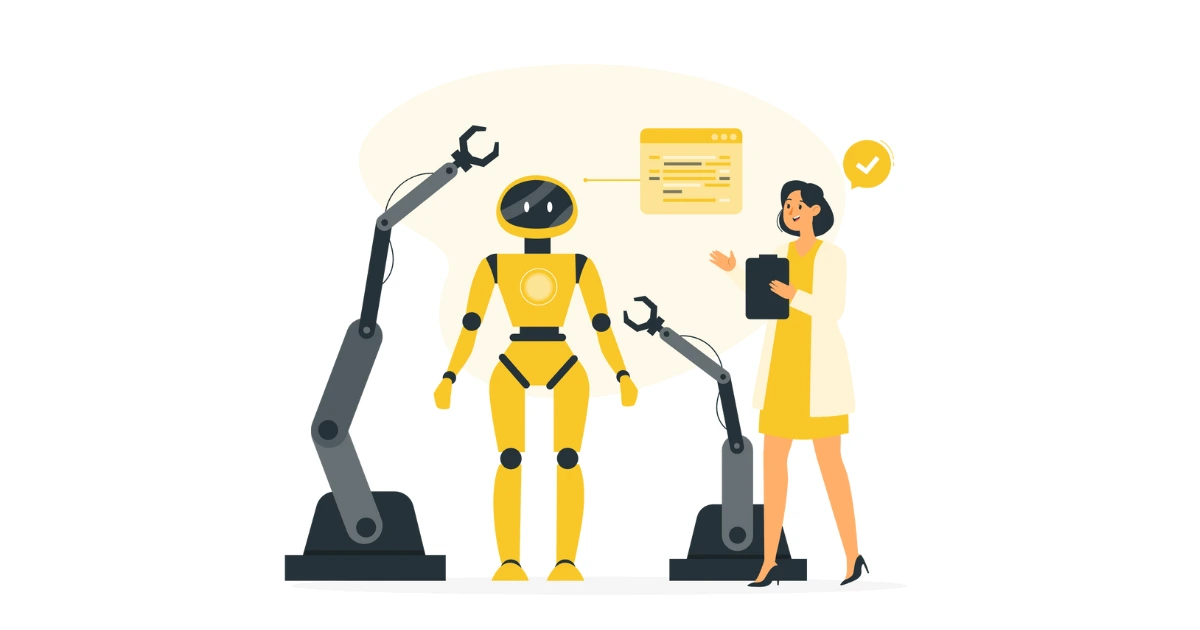
AI engineer reviewing a humanoid robot, illustrating AI engineering skills, human-in-the-loop systems, and production AI development.

AI engineering focuses on building and running production AI systems, combining software engineering, machine learning, data engineering, MLOps, and cloud platforms. Unlike data science, which often stops at experimentation, AI engineering ensures models are scalable, reliable, and maintainable in real-world environments.

This article breaks down the core AI engineering skills modern AI engineers need, including programming and machine learning, cloud AI, generative models, and responsible AI practices.

blue arrow to the left
Imaginary Cloud logo

What Does an AI Engineer Do?

An AI engineer builds, deploys, and maintains production-ready AI systems. The emerging role of AI engineering combines software, data science, and machine learning skills as organisations scale AI‑powered systems.

Typical responsibilities include:

  • Writing production-grade AI and application code
  • Deploying models via APIs or cloud platforms
  • Managing data pipelines and model workflows
  • Monitoring performance, drift, and system reliability
  • Iterating and retraining models over time

Unlike data scientists, who often focus on experimentation and analysis, AI engineers work across the full AI lifecycle, from development to deployment and ongoing operations.

In practice, AI engineers operate at the intersection of software engineering, machine learning, data engineering, and MLOps, collaborating closely with product, data, and infrastructure teams.

Key takeaway:

AI engineers are responsible for turning machine learning models into scalable, reliable, production-ready systems that bridge experimentation and real-world deployment.

blue arrow to the left
Imaginary Cloud logo

What Are the Core AI Engineering Skills?

AI engineering requires a hybrid skill set that combines software development, applied machine learning, and production infrastructure. Rather than specialising in a single area, AI engineers need enough depth across multiple domains to build AI systems that work reliably at scale.

At a high level, the core AI engineering skills fall into the following categories:

  • Programming and software engineering – writing maintainable, production-grade code and APIs
  • Machine learning and applied AI – building, evaluating, and integrating models into applications
  • Data engineering – designing pipelines that deliver clean, reliable data to models
  • MLOps and productionisation – deploying, monitoring, and maintaining models in live environments
  • Cloud and AI platforms – running AI workloads on scalable cloud infrastructure
  • Responsible and secure AI – ensuring models are fair, explainable, and compliant

The Hybrid Skill Matrix

Select a skill category

These skill areas reflect how AI systems are built in practice. Modern AI engineers are expected to bridge experimentation and production, ensuring models perform well in notebooks and continue to deliver value once deployed.

Key takeaway:

AI engineers need broad technical depth across multiple domains to ensure AI systems work reliably at scale, not just in experimentation.

blue arrow to the left
Imaginary Cloud logo

What Programming Skills Do AI Engineers Need?

Strong programming skills are foundational for AI engineers. While machine learning knowledge is essential, AI systems ultimately rely on production-grade software to deliver models reliably in real-world environments.

AI engineers are expected to write code that is maintainable, testable, and scalable, often integrating models into larger applications, APIs, and data pipelines rather than working in isolation.

Which Programming Languages Are Most Important for AI Engineers?

Most AI engineers work with a small set of core languages, depending on the system they are building:

  • Python – the primary language for machine learning, data processing, and model integration
  • SQL – essential for querying, transforming, and validating data
  • Java, C++, or Scala – commonly used in high-performance systems or data platforms
  • JavaScript or TypeScript – often required when embedding AI into web or product applications

Python dominates AI engineering workflows, but modern AI engineers are rarely limited to a single language.

Why Are Software Engineering Best Practices Critical for AI Engineers?

AI models are only one part of an AI system. Without solid software engineering practices, even high-performing models can fail in production.

Key practices AI engineers need include:

  • Version control and collaborative development
  • API design and service-based architectures
  • Automated testing for data and models
  • CI/CD pipelines for AI-enabled applications
  • Debugging and observability in distributed systems

These skills enable AI engineers to move beyond experimentation and build reliable, production-ready AI solutions that can evolve over time.

Key takeaway:

Strong programming and software engineering practices are essential because AI models must be embedded, deployed, tested, and maintained within production systems.

blue arrow to the left
Imaginary Cloud logo

What Machine Learning Skills Are Required for AI Engineers?

Machine learning is at the core of AI engineering. AI engineers need both theoretical understanding and practical experience to build models that work reliably in production.

What Mathematical and Statistical Foundations Are Needed?

Strong foundations in mathematics and statistics are essential for AI engineers to:

  • Understand linear algebra, calculus, and probability for model formulation
  • Analyse and interpret data distributions, correlations, and variance
  • Evaluate model performance using statistical metrics like precision, recall, and F1-score

Which Machine Learning and Deep Learning Concepts Should AI Engineers Know?

Industry analyses highlight prompt engineering and continuous learning as in-demand skills for success in AI roles.

AI engineers should master both traditional ML and deep learning:

  • Supervised and unsupervised learning – training models on labelled or unlabelled data
  • Deep learning and neural networks – designing CNNs, RNNs, and transformers for complex tasks
  • Model evaluation and validation – ensuring models generalise to new data
  • Feature engineering – preparing data for optimal model performance

What AI Frameworks and Tools Are Used?

Modern AI engineering relies on proven frameworks for building, training, and deploying models:

  • TensorFlow – scalable ML and deep learning library
  • PyTorch – flexible and widely used for research and production
  • Scikit-learn – classic ML library for structured data
  • Hugging Face – for NLP and large language model workflows
  • OpenCV / Detectron2 – for computer vision tasks

How Are NLP and Computer Vision Skills Applied?

  • Natural Language Processing (NLP) – building chatbots, text classification, sentiment analysis, and LLM fine-tuning
  • Computer Vision – image recognition, object detection, and video analysis using deep learning

Why Is Domain Knowledge Important?

Domain knowledge allows AI engineers to:

  • Interpret data accurately and design models aligned with real-world business problems
  • Translate technical solutions into actionable insights for stakeholders
  • Avoid model mistakes caused by contextual misunderstanding

By combining mathematics/statistics, ML, deep learning, NLP, computer vision, and domain knowledge, AI engineers can build robust, high-impact AI systems.

Do AI Engineers Need Experience With Generative AI and LLMs?

Yes. With generative AI and large language models becoming central to many applications, AI engineers increasingly need skills in:

  • Fine-tuning pre-trained models
  • Prompt engineering for LLMs
  • Optimising inference for production environments

By combining core ML understanding with practical experience with frameworks and LLMs, AI engineers ensure that models not only work in theory but also perform reliably at scale.

                                                                                                                                                               
Skill CategoryKey Concepts / ToolsWhy It Matters
Mathematics & StatisticsLinear algebra, calculus, probability, statistical metricsProvides the foundation for understanding and evaluating ML models
Supervised & Unsupervised LearningTraining models on labelled or unlabelled dataForms the foundation of all ML models
Deep Learning & Neural NetworksCNNs, RNNs, transformers, TensorFlow, PyTorchEnables complex tasks like NLP, computer vision, and generative AI
Feature EngineeringSelecting and transforming features to improve performanceOptimises model accuracy and generalisation
Natural Language Processing (NLP)Text processing, sentiment analysis, LLM fine-tuningSupports AI applications with text understanding and generation
Computer VisionImage recognition, object detection, OpenCV, Detectron2Enables AI to process and interpret visual data
Data & MLOps SkillsData pipelines, ETL/ELT, CI/CD, model monitoringEnsures models run reliably in production environments
Domain KnowledgeUnderstanding business context and problem requirementsAligns AI solutions with real-world business challenges
Continuous Learning & Research MindsetKeeping up with research papers, new frameworks, emerging AI techniquesEnsures engineers stay at the cutting edge of AI development

Key takeaway:

Machine learning skills alone are not enough: AI engineers need theoretical foundations and applied experience across ML, deep learning, and real-world problem domains.

blue arrow to the left
Imaginary Cloud logo

Why Are Data Engineering Skills Important for AI Engineers?

Data is the fuel for all AI systems. AI engineers must ensure that models receive clean, reliable, and well-structured data, or even the most advanced algorithms will fail in production.

What Data Engineering Tasks Do AI Engineers Work On?

AI engineers often collaborate with data engineers or take on key tasks themselves:

  • Designing and maintaining data pipelines – moving data from source systems to models
  • Data cleaning and validation – ensuring accuracy, consistency, and completeness
  • Feature storage and retrieval – making engineered features accessible for training and inference
  • ETL/ELT processes – extracting, transforming, and loading data efficiently

Which Data Tools and Pipelines Are Common in AI Engineering?

Familiarity with modern tools allows AI engineers to handle large-scale data workflows efficiently:

  • Apache Spark – distributed data processing
  • Airflow – orchestrating workflows and pipelines
  • Databricks – unified data and ML platform
  • Azure Data Factory / AWS Glue – cloud-based ETL services

By combining data engineering skills with ML expertise, AI engineers ensure models are fed high-quality data in production, reducing errors and improving reliability.

Key takeaway:

Without robust data pipelines and data quality controls, even the most advanced AI models will fail in production.

blue arrow to the left
Imaginary Cloud logo

What MLOps Skills Do AI Engineers Need?

MLOps bridges the gap between machine learning experimentation and production-ready AI systems. AI engineers must be able to deploy, monitor, and maintain models so they perform reliably over time.

How Do AI Engineers Deploy and Monitor Machine Learning Models?

Key responsibilities in MLOps include:

  • Model versioning – keeping track of multiple iterations of a model
  • Continuous integration and deployment (CI/CD) – automating model deployment pipelines
  • Monitoring performance and drift – detecting when a model’s predictions degrade over time
  • Logging and observability – tracking model predictions, errors, and resource usage

Which MLOps Tools Are Most Common in AI Engineering?

Familiarity with modern MLOps tooling is critical for scalable AI:

  • MLflow – tracking experiments, models, and metrics
  • Kubeflow – orchestrating ML workflows in Kubernetes environments
  • Docker and Kubernetes – containerisation and orchestration for model deployment
  • CI/CD pipelines – Jenkins, GitHub Actions, GitLab for automated deployments

By mastering MLOps, AI engineers ensure that AI models are not only accurate but also reliable, maintainable, and scalable in real-world applications.

Key takeaway:

MLOps enables AI engineers to deploy, monitor, and maintain models over time, ensuring performance, reliability, and scalability in live environments.

Artificial Intelligence Solutions Done Right call-to-action
blue arrow to the left
Imaginary Cloud logo

What Cloud Skills Should AI Engineers Have?

Cloud platforms are essential for AI engineers to deploy, scale, and manage AI workloads efficiently. Knowing how to leverage cloud services ensures AI models run reliably in production without infrastructure bottlenecks.

Why Do AI Engineers Need Cloud Computing Skills?

AI engineers use cloud skills to:

  • Deploy AI models at scale without managing physical servers
  • Access managed services for data storage, training, and inference
  • Integrate AI applications with existing cloud-based products and pipelines
  • Reduce operational overhead while improving reliability and performance

Which Cloud AI Platforms Do AI Engineers Use?

Familiarity with popular cloud AI platforms enables engineers to implement production-ready solutions:

  • Azure AI and Azure Machine Learning – end-to-end model development, deployment, and monitoring
  • AWS SageMaker – cloud-based ML model building, training, and deployment
  • Google Vertex AI – scalable AI platform with integrated tools for data, ML, and deployment

Cloud skills enable AI engineers to focus on model performance and reliability while leveraging managed infrastructure to improve operational efficiency.

Key takeaway:

Cloud skills allow AI engineers to scale AI workloads efficiently, leverage managed services, and reduce operational complexity.

blue arrow to the left
Imaginary Cloud logo

What Responsible and Ethical AI Skills Are Required for AI Engineers?

As AI systems increasingly impact business and society, AI engineers must build models that are fair, explainable, and secure. Responsible AI skills ensure systems are reliable and compliant with ethical and legal standards.

What Responsible AI Concepts Should AI Engineers Know?

Key areas include:

  • Bias and fairness – detecting and mitigating bias in training data and model predictions
  • Explainability (XAI) – making model decisions interpretable to stakeholders
  • Model governance – managing lifecycle, approvals, and audit trails
  • Data privacy and compliance – ensuring adherence to regulations like GDPR or HIPAA

Why Are Responsible AI Skills Important?

Responsible AI practices help organisations:

  • Avoid reputational or legal risks
  • Ensure AI models are trusted by users and stakeholders
  • Improve model quality by identifying hidden biases
  • Enable transparent and accountable decision-making

By integrating ethical and responsible AI practices, AI engineers ensure that models are not just effective but also trustworthy and sustainable in real-world applications.

Key takeaway:

Responsible AI skills ensure systems are fair, explainable, compliant, and trustworthy, reducing legal, ethical, and reputational risks.

blue arrow to the left
Imaginary Cloud logo

What Soft Skills Are Important for AI Engineers?

In addition to technical expertise, AI engineers need strong soft skills to collaborate effectively and deliver impactful AI solutions. These skills help bridge the gap between technical teams and business stakeholders.

Which Soft Skills Do AI Engineers Need?

Key soft skills include:

  • Communication – explaining technical concepts clearly to non-technical stakeholders
  • Problem-solving – translating business challenges into AI solutions
  • Collaboration – working closely with data scientists, software engineers, and product teams
  • Documentation – keeping clear records of code, models, and workflows
  • Stakeholder management – aligning AI projects with business goals

Soft skills ensure AI engineers can deliver AI projects that are technically sound and aligned with organisational needs.

Key takeaway:

Strong communication, collaboration, and problem-solving skills help AI engineers translate technical work into business impact.

How Can You Build AI Engineering Skills in Practice?

Developing AI engineering skills requires a combination of structured learning, hands-on practice, and exposure to real-world projects. AI engineers need to bridge theory with production experience to be effective.

How Do Software Engineers Transition Into AI Engineering?

Software engineers can leverage their existing coding and software design skills by:

  • Learning machine learning fundamentals and applied AI techniques
  • Building small projects using Python, ML libraries, and datasets
  • Experimenting with AI model deployment on cloud platforms

How Do Data Scientists Become AI Engineers?

Data scientists can transition by focusing on productionising models:

  • Writing production-grade code for ML models
  • Understanding MLOps, CI/CD pipelines, and containerisation
  • Deploying models to cloud platforms and monitoring their performance

Additional Ways to Build Skills

  • Online courses and certifications in AI, ML, MLOps, and cloud AI
  • Hands-on projects that include end-to-end AI workflows
  • Contributing to open-source AI projects for practical experience
  • Mentorship and collaboration with experienced AI engineers

By combining technical learning with practical deployment experience, aspiring AI engineers can develop the full skill set needed to build, deploy, and maintain production AI systems.

The following interactive diagram illustrates how these core skills converge within a production-ready pipeline, tracking the lifecycle of an AI system from initial data engineering to scalable cloud deployment.

The Production Pipeline

AI engineering connects experimentation to real-world systems. Select each stage to see its responsibilities and tools.

Key takeaway:

Building AI engineering skills requires continuous learning, hands-on projects, and production experience, not just theoretical study.

blue arrow to the left
Imaginary Cloud logo

When Should Companies Hire AI Engineers or Upskill Their Teams?

AI engineering expertise is critical for organisations that want to build scalable, reliable, and production-ready AI systems. Knowing when to hire or upskill can prevent costly mistakes and accelerate AI adoption.

When Is Hiring an AI Engineer the Right Choice?

Companies should consider hiring AI engineers when:

  • They need to deploy machine learning models at scale
  • Internal teams lack production AI or MLOps expertise
  • They require end-to-end AI solutions integrated with software systems
  • AI initiatives need long-term maintainability and reliability

When Should Teams Focus on Upskilling Existing Staff?

Upskilling is effective when:

  • Team members already have strong software or data backgrounds
  • Projects are smaller in scale or experimental
  • Organisations want to reduce hiring costs or retain institutional knowledge

By balancing hiring and upskilling, companies can build AI capabilities efficiently while ensuring that AI systems are robust, scalable, and aligned with business objectives.

Final Thoughts

AI engineering blends software development, machine learning, data pipelines, MLOps, cloud platforms, and responsible AI to create production-ready AI systems. Mastering these core skills ensures models are scalable, reliable, and trustworthy.

Ready to build AI expertise or upskill your team? Focus on these skills to turn models into real-world solutions. Contact us today for AI engineering consulting to accelerate your AI initiatives.

Digital Transformation Report call-to-action
blue arrow to the left
Imaginary Cloud logo

Frequently Asked Questions (FAQ)

Is AI engineering different from data science?

Yes. Data scientists focus on exploring data and building models, while AI engineers focus on productionising models, integrating them into software systems, and ensuring scalability and reliability.

Do AI engineers need to know software engineering?

Absolutely. AI engineers must write production-grade code, design APIs, manage pipelines, and follow software engineering best practices to successfully deploy AI systems.

What programming languages do AI engineers use?

Common languages include Python (primary), SQL, Java, C++, or Scala for high-performance systems, and JavaScript/TypeScript for AI in web applications.

Are MLOps skills required for AI engineers?

Yes. MLOps skills, including model versioning, CI/CD, monitoring, and deployment, are essential for maintaining reliable, production-ready AI systems.

How long does it take to become an AI engineer?

It depends on your background. Software engineers or data scientists can transition in 6–12 months with focused learning, hands-on projects, and experience deploying models.

What cloud platforms do AI engineers use?

Popular cloud platforms include Azure AI, AWS SageMaker, and Google Vertex AI, which provide scalable infrastructure for training, deploying, and monitoring AI models.

What soft skills are important for AI engineers?

Key soft skills include communication, collaboration, problem-solving, documentation, and stakeholder management to ensure AI projects align with business goals.

Why is responsible AI important for AI engineers?

Responsible AI ensures fair, explainable, and compliant models, reduces legal or reputational risks, and builds trustworthy AI solutions in production environments.

Alexandra Mendes
Alexandra Mendes

Alexandra Mendes is a Senior Growth Specialist at Imaginary Cloud with 3+ years of experience writing about software development, AI, and digital transformation. After completing a frontend development course, Alexandra picked up some hands-on coding skills and now works closely with technical teams. Passionate about how new technologies shape business and society, Alexandra enjoys turning complex topics into clear, helpful content for decision-makers.

LinkedIn

Read more posts by this author

People who read this post, also found these interesting:

arrow left
arrow to the right
Dropdown caret icon