Written by:

Last Published:
27. Juni 2026
•
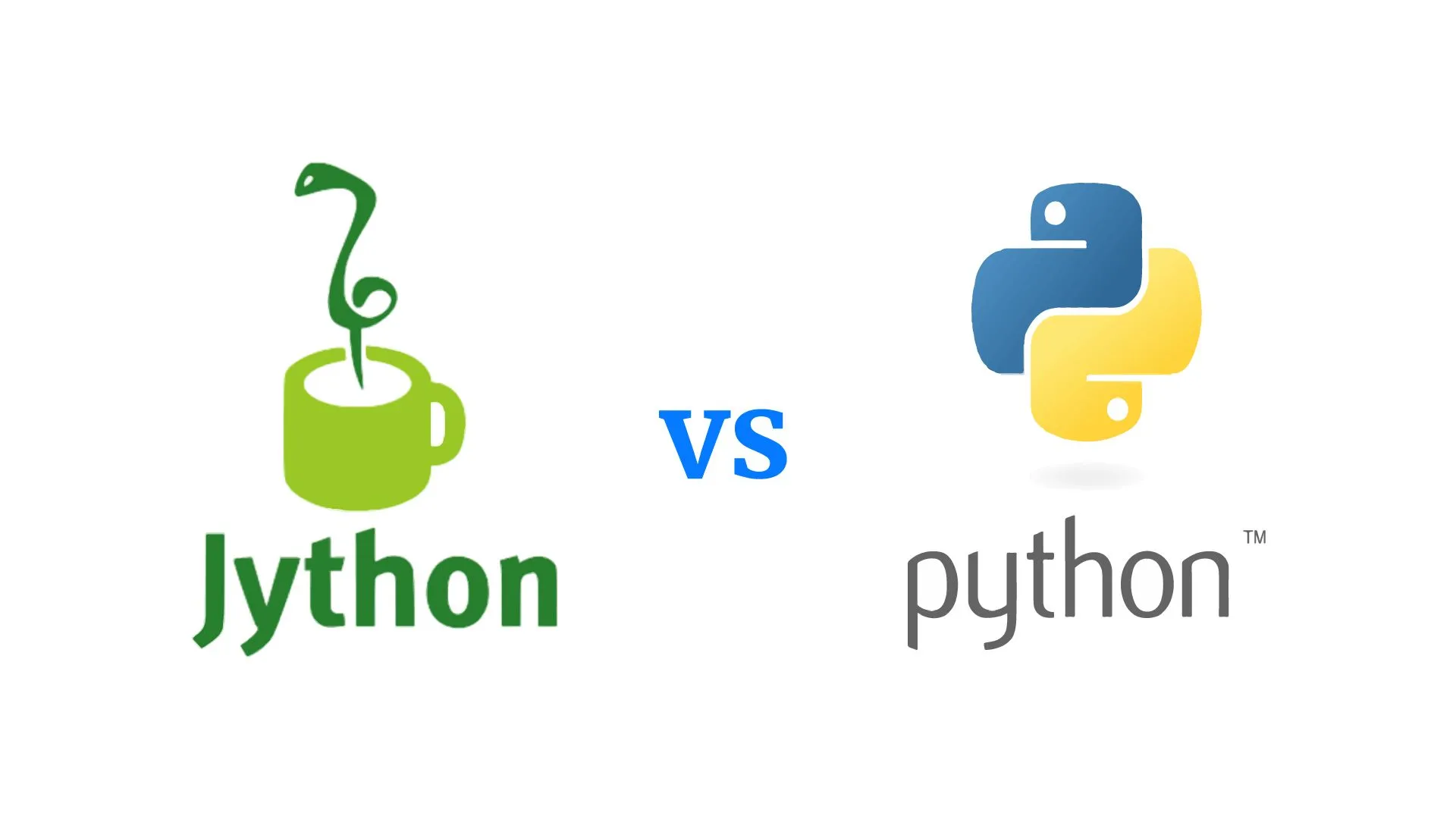
Jython und Python werden oft als Rivalen betrachtet. Das sind sie nicht. Es handelt sich um zwei Implementierungen derselben Sprache, die für unterschiedliche Aufgaben entwickelt wurden.
Jython ist eine Java-Implementierung von Python. Einfach ausgedrückt: Es ist Python, das auf einer Java Virtual Machine (JVM) läuft. Sie schreiben also in Python, können aber direkt auf die Bibliotheken von Java zugreifen. Stellen Sie es sich wie eine Brücke vor: Sie stehen auf der Python-Seite, und die Brücke bringt Sie in das Java-Territorium, ohne dass Sie eine zweite Sprache lernen müssen, um hinüberzugelangen.
Welche Variante sollte Ihr Team also wann einsetzen? Das ist die eigentliche Frage, und genau diese beantwortet dieser Leitfaden. Wir vergleichen Jython und Python, untersuchen, warum Jython für Teams, die Python auf der JVM ausführen, nach wie vor attraktiv ist, und beleuchten ehrlich die Grenzen, bei denen eine technische Leitung innehalten und nachdenken sollte. Es geht hier nicht um einen Wettbewerb, wer besser ist (beide basieren auf derselben Kernsprache). Es geht darum, welche Möglichkeiten die Verbindung von Python mit Java über Jython bietet und wann eine modernere Alternative die klügere Wahl ist. Vergleichen wir sie.
Das Wichtigste in Kürze:
Jython ermöglicht es Ihnen, Python 2.7-Syntax zu schreiben, während Sie auf der JVM laufen und beliebige Java-Bibliotheken aufrufen. Das macht es für zwei Anwendungsfälle besonders nützlich: das Einbetten von Skripten in eine Java-Plattform und die Nutzung des Java-Ökosystems aus Python heraus.
Der Haken ist die Reife. Jython unterstützt nur Python 2.7, und die letzte stabile Version war 2.7.4 im August 2024. Für neue Projekte, die Python 3 erfordern, greifen Teams daher zunehmend zu GraalPy (einer Python 3-Laufzeitumgebung für die JVM) oder zum Standard-CPython mit einer Java-Brücke. Entscheiden Sie sich für Jython, wenn Sie bereits eine Java-Plattform haben, die eingebettete Python 2-Skripte benötigt. Wählen Sie eine Alternative, wenn Sie Python 3, den modernen Data-Science-Stack oder langfristigen Support benötigen.
„Python“ bezeichnet die ursprüngliche, auf C basierende Implementierung. Wenn Sie hier also Python lesen, ist CPython gemeint. Da es so dominant wurde, ist das „C“ einfach weggefallen. Python ist die Referenz, an der sich alles andere misst.
Python ist eine der weltweit beliebtesten objektorientierten Programmiersprachen, die meist in einem Atemzug mit Perl, Ruby und Java genannt wird. Und sie wächst weiter. Im GitHub Octoverse 2024 Bericht hat Python erstmals JavaScript als meistgenutzte Sprache auf GitHub überholt, ein Sprung, den GitHub auf den Boom in den Bereichen Data Science, Machine Learning und KI zurückführt. Lesbare Syntax, schnelle Entwicklung, enorme Vielseitigkeit. Das ist der Reiz in einem Satz.

Die Hauptstärken von Python:
Java ist eine weitere populäre objektorientierte Sprache, deren Syntax in der Tradition von C++ und C steht. Sie ist statisch typisiert, was bedeutet, dass die Typen zur Kompilierzeit geprüft werden, bevor das Programm ausgeführt wird. Das ist das Gegenteil der dynamischen Typisierung von Python, bei der die Prüfungen während der Codeausführung stattfinden.
Die Kerneigenschaften von Java:
Sie möchten einen ausführlicheren Vergleich? Sehen Sie sich unseren detaillierter Vergleich zwischen Python und Java.

Wenn man Python und Java betrachtet, fügt sich Jython perfekt ein. Jython ist eine Java-Implementierung von Python, die für die JVM entwickelt wurde und Java-Klassen nutzen kann. Der Name verrät es bereits: Jython = Java + Python.
Zurück zur Brücke. Sie schreiben Python mit seiner Syntax und Logik, befinden sich aber innerhalb einer JVM, wo die Java-Bibliotheken direkt für Sie bereitstehen. Auf Ihrer Seite des Flusses das vertraute Python. Auf der anderen Seite ein völlig neues Arsenal an Werkzeugen.
Was Jython bietet:
Das ist das ganze Konzept. Jython ist die Brücke zwischen der Java- und der Python-Welt, und der Verkehr fließt in beide Richtungen.

Python und Jython basieren zwar auf derselben Kernsprache, bewegen sich aber in völlig unterschiedlichen Umgebungen. Jython tauscht das CPython-Ökosystem gegen das von Java ein. Hier erfahren Sie, was das in der Praxis bedeutet.
Jython verbindet nicht nur Python und Java. Es eröffnet Möglichkeiten, die keine der beiden Sprachen allein bietet.
Es ist eine leicht zu erlernende Sprache, die sich schnell in die Praxis umsetzen lässt und von der enormen Leistungsfähigkeit der Java-Bibliotheken profitiert, auf die sie zugreifen kann. Erstellen Sie im Handumdrehen eine grafische Benutzeroberfläche, fragen Sie eine Datenbank ab oder testen Sie eine Logik – alles in kürzester Zeit.
Zudem ist der Code sehr übersichtlich. Wie Python strukturiert auch Jython den Code durch Einrückungen statt durch geschweifte Klammern. Vergleichen Sie eine einfache if-Anweisung in Java mit derselben Logik in Python/Jython, und der Unterschied wird sofort deutlich:
Java
int score = 85;
if (score >= 50) {
    System.out.println("Pass");
} else {
    System.out.println("Fail");
}
Python / Jython
score = 85
if score >= 50:
    print("Pass")
else:
    print("Fail")
Die zweite Version ist schlanker. Keine geschweiften Klammern, keine Semikolons, weniger Ballast. Genau das ist der entscheidende Vorteil: Sie steuern Java-Bibliotheken mit der leichtgewichtigen Syntax von Python.
Diese if-Anweisung zeigt zwar, dass die Syntax schlanker ist, aber der eigentliche Mehrwert liegt woanders: Sie können direkt auf eine Java-Bibliothek zugreifen und sie so verwenden, als wäre sie nativer Python-Code. Ohne Wrapper, ohne Bridge und ohne Serialisierung über eine Schnittstelle hinweg.
# Jython: pull a Java class into Python and use it with Python syntax
from java.util import LinkedHashMap
from java.time import LocalDate

release = LinkedHashMap()
release.put("version", "2.7.4")
release.put("shipped", LocalDate.of(2024, 8, 1))

# Iterate a java.util map as if it were a native Python dict
for version in release.keySet():
    print("Jython {} shipped on {}".format(version, release.get(version)))

# -> Jython 2.7.4 shipped on 2024-08-01
Das sind echte java.util - und java.time -Klassen, die direkt im Prozess aufgerufen werden, während Python die Steuerung übernimmt. Genau das ist der Grund, warum es Jython gibt.
Der Zugriff auf Bibliotheken ist der zweite große Vorteil. Er ermöglicht es Teams, Entwicklung und Tests schneller voranzutreiben. Da Jython zudem Python-Code in Java-Bytecode kompiliert, läuft er überall dort, wo die JVM läuft – und das bedeutet, dass Sie automatisch plattformunabhängig bleiben.
Hier ist der Fakt, der am leichtesten übersehen wird und der am meisten zählt. Die aktuellste stabile Version von Jython ist Jython 2.7.4, veröffentlicht im August 2024 (Versionshinweise auf GitHub). Davor gab es 2.7.3 im Jahr 2022 und 2.7.2 im Jahr 2020. Achten Sie auf die Abstände. Die Veröffentlichungen erfolgen im Abstand von Jahren und stammen von einem kleinen Team aus Freiwilligen.
Und jede stabile Jython-Version unterstützt ausschließlich Python 2.7, eine Version, für die die Python Software Foundation den Support bereits im Januar 2020 eingestellt hat. Das Projekt macht daraus kein Geheimnis. In der eigenen Dokumentation heißt es unmissverständlich, dass der Betrieb unter Jython nicht als Alternative zur Portierung Ihrer Anwendung auf Python 3 betrachtet werden sollte, was sowohl auf die Einschränkungen der Sprache als auch auf den geringen Wartungsaufwand hinweist. Eine Python-3-Version von Jython? Seit Jahren im Gespräch. Immer noch nicht verfügbar.
Für jeden, der diese Entscheidung treffen muss, ist das ein erhebliches Risiko und keine bloße Randnotiz. Wenn Sie etwas Neues auf Basis von Python 2.7 entwickeln, übernehmen Sie eine Sprache, die upstream keine Sicherheits- oder Funktionsupdates mehr erhält und von einem Projekt gestützt wird, das nur selten neue Versionen veröffentlicht.
Bei der Nebenläufigkeit hat Jython einen echten Vorteil. CPython verwendet ein Global Interpreter Lock (GIL), einen Mechanismus, der sicherstellt, dass immer nur ein Thread Python-Bytecode ausführt, was CPU-intensive Multithreading-Anwendungen ausbremst. Jython hat kein GIL. Jeder Python-Thread wird auf einen nativen Java-Thread abgebildet, sodass rechenintensive Aufgaben tatsächlich parallel auf mehreren Kernen ausgeführt werden können. Das Standard-CPython kann dies ohne den Einsatz von Multiprocessing nicht leisten.
Ist das ein Selbstläufer? Nicht ganz. Jython verwendet bei jedem Import weiterhin eine Modul-Import-Sperre, sodass enge Schleifen, die innerhalb von Threading-Code ständig Importe durchführen, dies zu spüren bekommen. Und da Jython auf dem Stand von Python 2.7 eingefroren ist, fehlen sämtliche Concurrency-Werkzeuge, die mit Python 3 eingeführt wurden. Kein asyncio. Kein async/await. Keine der komfortableren concurrent.futures Ergonomie. Teams, die heute hochgradig nebenläufige Dienste entwickeln, setzen diese Python-3-Primitive als Standard voraus, und Jython kann diese schlichtweg nicht bieten.
Die Lücke zu Python 3 geht weit über ein wenig Syntax hinaus. Da Jython Python 3 nicht unterstützt, fehlen mehr als zehn Jahre an Python-3-Funktionen: f-Strings, Typ-Hinweise sowie das undefined-Modul, undefined/undefined, undefined, undefined, Matrix-Operatoren und eine lange Liste an Upgrades der Standardbibliothek. Jeder Code, jedes Tutorial und jede Abhängigkeit, die für Python 3 geschrieben wurden – also praktisch das gesamte heutige Ökosystem –, lässt sich nicht ohne Weiteres unter Jython ausführen.
Genau hier Data Science und Machine Learning stößt das Konzept an seine Grenzen. NumPy, pandas, PyTorch, TensorFlow: Sie alle basieren auf der C-Extension-Schnittstelle von CPython, die Jython nicht implementiert. Jython kann zwar ML-Bibliotheken auf JVM-Basis wie Deeplearning4j aufrufen, doch der gängige Python-ML-Stack – also genau das, was Python an die Spitze von GitHub katapultiert hat – bleibt unerreichbar.
Trotz allem hat sich Jython eine Nische erarbeitet, in der es sich gut behauptet: als eingebettete Skript-Engine in Java-Anwendungen, bei der es darum geht, Python-Code für ein laufendes Java-System zu schreiben.
Der rote Faden bei all diesen Beispielen? Jython ist dort sinnvoll, wo bereits eine Java-Plattform existiert und eine leichtgewichtige Skriptschicht benötigt wird. Nicht als Basis für etwas völlig Neues.
Hier ist das Muster, das unsere Beratung für Kunden prägt. Bei der Modernisierung von JVM-Umgebungen, die wir begleiten, haben sich Teams fast nie für Jython entschieden. Sie haben es geerbt . Es ist wie eine alte Verkabelung hinter der Wand in einem Haus, das man gerade gekauft hat. Niemand hat sie absichtlich dort verlegt, und niemand möchte derjenige sein, der sie anfasst. Die eigentliche Frage lautet daher selten: „Sollten wir Jython einführen?“, sondern: „Was kostet es, davon wegzukommen, und wann wird diese Rechnung fällig?“ Klären Sie das frühzeitig, bevor eine Python-3-Abhängigkeit oder eine Sicherheitsanforderung Sie dazu zwingt und eine drohende Migration zu einer geplanten wird. Diese neue Perspektive ist das Wertvollste, was wir in diese Gespräche einbringen, und es ist der Schritt, den die meisten Teams überspringen.
Wenn Sie Python und Java gemeinsam nutzen müssen, ist Jython nicht mehr der einzige Weg. Die stärksten Alternativen zu Jython unterstützen mittlerweile Python 3. Allen voran GraalPy, Oracles auf GraalVM basierende Python-Laufzeitumgebung. Sie ist kompatibel mit Python 3.12, läuft auf der JVM, lässt sich sauber in Java einbetten und wird aktiv gepflegt. Die eigenen Benchmarks berichten von reines Python, das etwa 4-mal schneller läuft als CPython nach der JIT-Kompilierung, mit experimenteller Unterstützung für native Erweiterungen wie NumPy und PyTorch. Für die meisten neuen JVM-plus-Python-Projekte ist GraalPy der natürliche Nachfolger von Jython.
Ein kurzer Vergleich zur Orientierung:
Eine Vergleichstabelle zeigt Ihnen was sich unterscheidet. Sie verrät Ihnen jedoch nicht, was die Entscheidung tatsächlich beeinflussen sollte. Wenn unsere Engineering-Teams die Wahl zwischen Python und der JVM abwägen, nutzen wir ein einfaches Raster, das wir Fit-Risk-Horizon (FRH) nennen. Drei Fragen, in dieser Reihenfolge gestellt, trennen zuverlässig eine sichere Wahl von einer kostspieligen.

Wenden Sie FRH an, und die Faustregel wird konkret:
Kommen wir also zum Ausgangspunkt zurück. Dies war nie wirklich ein Wettbewerb zwischen „Python und Jython“. Es ist eine Frage der Eignung. Jython verbindet die leichtgewichtige Syntax von Python mit der Reichweite des Java-Ökosystems, und für die richtige Aufgabe ist diese Kombination wirklich wertvoll: das Einbetten von Python-Skripten in eine JVM-Anwendung, die Wiederverwendung von Java-Bibliotheken in Python-Code oder die Bereitstellung einer benutzerfreundlichen Möglichkeit für Operatoren, ein Java-System zu steuern.
Der ehrliche Vorbehalt liegt direkt neben dem Nutzen. Die Stärken von Jython sind fest an Python 2.7 und einen langsamen Release-Zyklus gebunden. Wo Sie damit leben können, meist innerhalb einer etablierten Java-Plattform, ist Jython nach wie vor ein sinnvolles Werkzeug. Wo dies nicht der Fall ist, werden CPython oder GraalPy Ihr Team besser unterstützen.
Für einen CTO, CDO oder Engineering Lead geht es bei der Jython-Frage nicht wirklich um die Syntax. Es geht um Risiko, Kosten und Zeitpläne für die Bereitstellung. Die Eignungs-Risiko-Horizont-Betrachtung ist bewusst so geordnet: Technische Eignung ist notwendig, aber selten allein ausreichend. Die Entscheidungen, die schmerzen, sind fast immer diejenigen, bei denen Risiko und Zeithorizont unterschätzt wurden.
Integrationsrisiko. Der gesamte Reiz von Jython liegt in der engen In-Process-Interoperabilität zwischen Python und Java. Echte Leistungsfähigkeit, echter Mehrwert. Aber es bindet Sie an eine Laufzeitumgebung, die auf Python 2.7 begrenzt ist. Jeder Fahrplan, der das moderne Python-3-Ökosystem voraussetzt (aktuelle Bibliotheken, Sicherheitspatches, Entwickler, die bereits Python 3 beherrschen), steuert direkt auf diese Grenze zu.
Weiterbildung und Einstellung von Mitarbeitern. Neue Entwickler lernen Python 3 und erwarten Python 3. In der Entwicklerumfrage 2024 von Stack Overflow wurde Python von 51 % der Entwickler verwendet und als die am meisten gewünschte Sprache eingestuft, während Python 2 aus der professionellen Praxis so gut wie verschwunden ist. Dieselbe Umfrage identifizierte technische Schulden als den größten Frustfaktor am Arbeitsplatz für Entwickler. Die Standardisierung auf einen Dialekt am Ende seines Lebenszyklus ist per Definition technische Schuld. Einfach ausgedrückt: ein kleinerer Bewerberpool, langsameres Onboarding, schwächere Mitarbeiterbindung. Die Kosten für die Weiterbildung entwickeln sich in die falsche Richtung.
Wartungsaufwand. Betrachten wir die konkreten Zahlen. Python 2.7 erreichte am 1. Januar 2020 das offizielle Ende seines Lebenszyklus, das sind also mehr als fünf Jahre ohne Upstream-Sicherheits- oder Fehlerbehebungen. Der Rhythmus von Jython erzählt dieselbe Geschichte: 2.7.2 im Jahr 2020, 2.7.3 im Jahr 2022, 2.7.4 im August 2024. Etwa eine Veröffentlichung alle zwei Jahre durch ein kleines Team von Freiwilligen. Gut für eine stabile eingebettete Skriptschicht. Eine schlechte Grundlage für ein System, das über einen Zeitraum von fünf bis zehn Jahren wachsen und sicher bleiben soll, bei dem die gesamte Last der Wartung und Patch-Pflege bei Ihnen liegt.
Kapitalrendite und Time-to-Value. Das wirtschaftliche Argument hängt selten von der reinen Leistung ab, obwohl die Richtung der Entwicklung einen Blick wert ist: GraalPy ermöglicht die Ausführung von reinem Python, das etwa viermal schneller ist als CPython, mit Python 3 und nativer Java-Interoperabilität in einer einzigen Laufzeitumgebung. Der größere Hebel für den ROI ist der Zeitpunkt, an dem Sie sich entscheiden. Wenn Sie die Laufzeitumgebung bereits in der Entwurfsphase wählen, ist dies eine überschaubare und kalkulierbare Aufgabe. Wenn Sie jedoch mitten in der Bereitstellung über diese Einschränkung stolpern – etwa weil eine erforderliche Python-3-Bibliothek, ein Audit-Ergebnis oder ein Sicherheitspatch dies erzwingen –, schiebt sich eine ungeplante Migration in Ihre Roadmap und verzögert die Wertschöpfung. Die günstigste Migration ist die, die Sie planen, bevor Sie sie benötigen.
Zeitpläne und Lock-in-Effekte. Diese Entscheidung wiegt bei architektonischen Weichenstellungen am schwersten. Wenn Sie sich bei einem neuen Projekt für Jython entscheiden, binden Sie sich unter Umständen an Python-2-Semantiken, deren spätere Ablösung hohe Kosten verursacht. Wenn die Interoperabilität zwischen Python und Java eine echte Anforderung ist, sollten Sie GraalPy von Anfang an in Betracht ziehen, lange bevor eine Migration dringlich wird. Das schützt Ihre Zeitpläne und hält Ihre Optionen offen. Genau diesen Kompromiss lassen andere Anbieter oft unerwähnt, obwohl er das größte Risiko für die Bereitstellung darstellt.
Für die Budgetierung gibt es nicht die eine Zahl für den Ausstieg aus Jython. Die Kosten hängen von einer Handvoll konkreter Faktoren ab, und diese zu benennen ist sinnvoller, als eine pauschale Zahl zu nennen, die man ohnehin einschränken müsste. Unserer Erfahrung nach sind dies die entscheidenden Variablen:
Das wirtschaftliche Fazit ist einfach: Die Kosten werden durch die Testabdeckung und die Tiefe der Interoperabilität bestimmt, nicht durch den Sprachwechsel an sich. Deshalb ist eine kurze, klar definierte Bewertung im Vorfeld weitaus wertvoller als eine grobe Schätzung. Und deshalb sind die Teams, die Schiffbruch erleiden, diejenigen, die die Migration erst dann kalkulieren, wenn sie bereits unvermeidbar ist.
Ja, aber nur noch eingeschränkt. Die letzte stabile Version 2.7.4 erschien im August 2024 durch ein kleines Team von Freiwilligen; neue Releases liegen oft Jahre auseinander. Es ist gerade noch aktiv genug, um bestehende Python-2-Integrationen am Laufen zu halten, aber eine aktive Weiterentwicklung findet nicht statt.
Nein. Jede stabile Jython-Version unterstützt ausschließlich Python 2.7. Eine Python-3-Version ist zwar seit Jahren im Gespräch, existiert jedoch nicht. Das Projekt selbst rät davon ab, Jython als Ersatz für eine Portierung auf Python 3 zu verwenden.
Verwenden Sie Jython, wenn Sie Python-Skripte in eine bestehende Java-Anwendung einbetten oder Java-Bibliotheken direkt und im selben Prozess aufrufen müssen und Python 2.7 für Sie ausreicht. Für fast alle anderen Anwendungsfälle, insbesondere Data Science, Machine Learning oder neue Projekte mit Python 3, ist das Standard-CPython die bessere Wahl.
CPython ist die Referenzimplementierung von Python: in C geschrieben, aktuell bei Python 3.x und kompatibel mit dem gesamten PyPI- und C-Extension-Ökosystem. Jython ist in Java geschrieben, kompiliert Python zu Java-Bytecode, läuft auf der JVM, unterstützt nur Python 2.7 und kann Java-Bibliotheken nutzen, jedoch keine C-Extensions von CPython. Das ist der wesentliche Unterschied zwischen Jython und CPython auf den Punkt gebracht.
Nein. NumPy, pandas, PyTorch und ähnliche Bibliotheken hängen von der C-Extension-Schnittstelle von CPython ab, die Jython nicht implementiert. Es kann jedoch JVM-basierte Bibliotheken wie Deeplearning4j aufrufen.
Nein. Im Gegensatz zu CPython hat Jython keinen GIL. Python-Threads werden auf native Java-Threads abgebildet und können somit tatsächlich parallel auf mehreren CPU-Kernen ausgeführt werden. Es verwendet jedoch weiterhin einen Modul-Import-Lock und bietet keine Unterstützung für Python-3-Concurrency-Tools wie asyncio.
GraalPy, die auf der GraalVM basierende Laufzeitumgebung von Oracle, ist eine Python 3.12-kompatible Implementierung, die auf der JVM läuft, in Java eingebettet werden kann und aktiv gepflegt wird. Für neue Projekte, die Python und Java in einer Laufzeitumgebung benötigen, ist sie in der Regel die bessere Wahl.
Ja. Jython ist Open Source und sowohl für die kommerzielle als auch für die nicht-kommerzielle Nutzung verfügbar.
Falls Ihr Team abwägt, ob Python-Workflows in eine Java-Plattform integriert werden sollen, unterstützen wir Sie bei der Bewertung der technischen Eignung und der Projektrisiken – bis hin zur Entscheidung, ob Jython, GraalPy oder das Standard-CPython das richtige Fundament für Ihre Roadmap bildet. Verraten Sie uns, an welchem Punkt Sie sich aktuell befinden.
Content Writer und Digital Media Producer mit einem besonderen Interesse an der symbiotischen Beziehung zwischen Technologie und Gesellschaft. Bücher, Musik und Gitarren sind meine ständigen Begleiter.
People who read this post, also found these interesting: